The Situation
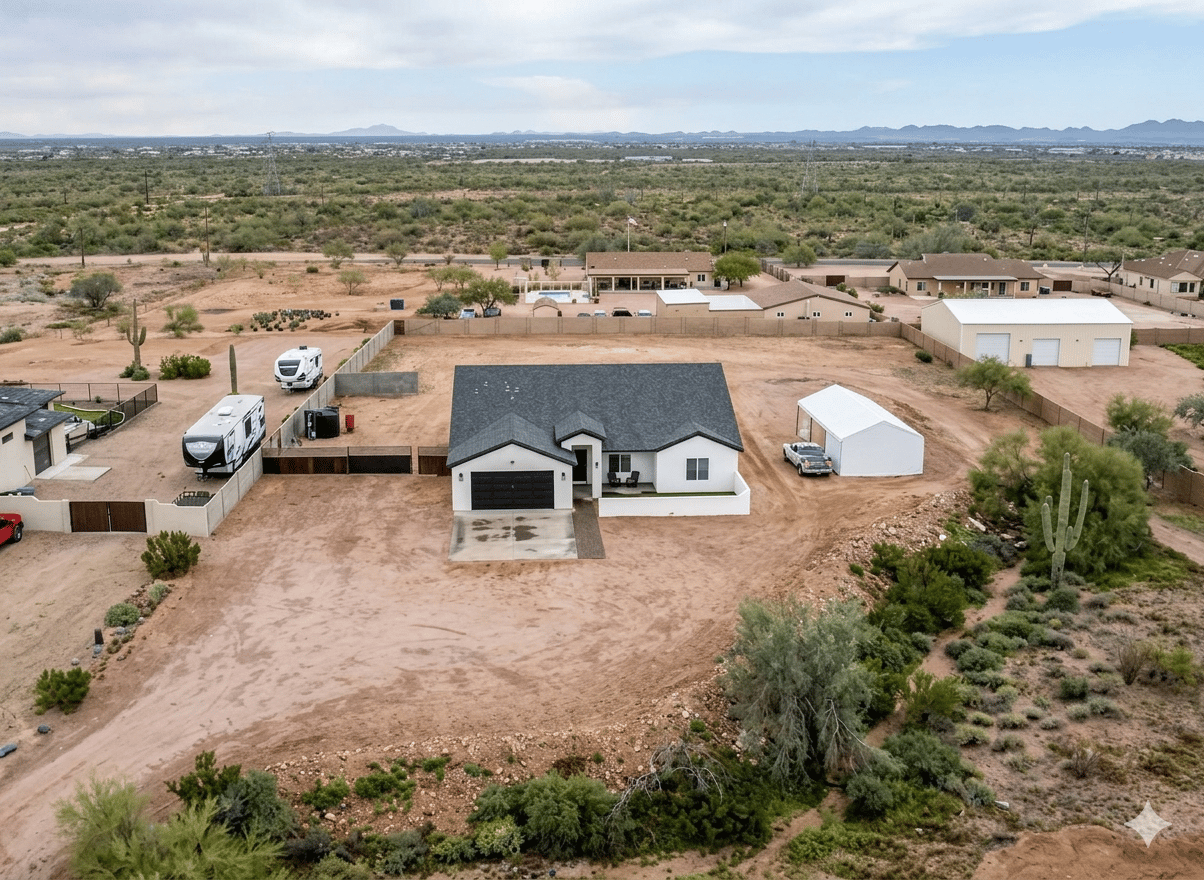
Not every transaction is a straight line from offer to close. A recent purchase on an acreage property near Apache Junction is a useful example of what disciplined due diligence actually looks like when a property sits outside city water and sewer infrastructure, a common condition across much of the East Valley's larger lots.
The property had strong bones: space, privacy, and the kind of setting that draws buyers toward an ideal home and lifestyle rooted in land rather than density. But rural infrastructure carries questions that a standard suburban purchase does not. Chief among them: what is actually coming out of the well.
The Approach
Three areas required close attention before the buyer could move forward with confidence.
Title review. The initial title commitment contained items worth challenging. Rather than accept the report at face value, we drafted a formal objection letter to the title company, citing the relevant contract provisions directly. This is a step buyers often skip, assuming the title company's first pass is final. It rarely is.
Inspection interpretation. A general home inspection report is dense and technical by design. The work here was translating the inspector's findings into a clear picture of what mattered structurally versus what was cosmetic, then building a BINSR (Buyer's Inspection Notice and Seller's Response) that reflected genuine priorities rather than every line item in the report.
Water quality analysis. This was the piece that required the most judgment. A well water sample was sent to an independent lab, and the results needed to be measured against actual regulatory standards, not general assumptions about "well water being fine out there." We compared the findings against ADEQ and EPA maximum contaminant levels and put together a summary that was accurate enough for the file and clear enough for the buyer to actually use in making a decision.
Why This Matters
A property can look ideal and still carry conditions a buyer has no way of evaluating on their own. The value of representation in a transaction like this is not signing paperwork faster. It is knowing which numbers to ask for, which regulatory standards apply, and which contract language protects a buyer when something in a report needs to be challenged.
Water quality is a good example. Most buyers have never seen an EPA maximum contaminant level table and would not know if a result was within range or a genuine concern. Turning a lab report into a decision-ready summary, rather than a stack of unfamiliar figures, is where advisory work actually happens.
The Outcome
The title objection was resolved, the inspection findings were narrowed to what genuinely warranted seller response, and the water test results gave the buyer a documented, defensible basis for moving forward. The transaction closed with the buyer fully informed, not just fully signed.
The Takeaway
Acreage and off-grid utility properties reward buyers who ask more questions, not fewer. If you're considering a property with a private well, septic system, or any infrastructure outside municipal service, the questions worth asking before writing an offer are:
Has the well been tested recently, and against which standard?
Is the title commitment being reviewed line by line, or accepted as-is?
Does the inspection response address what's structurally significant, or everything on the list equally?
These aren't formalities. They're the difference between owning a property and understanding one.