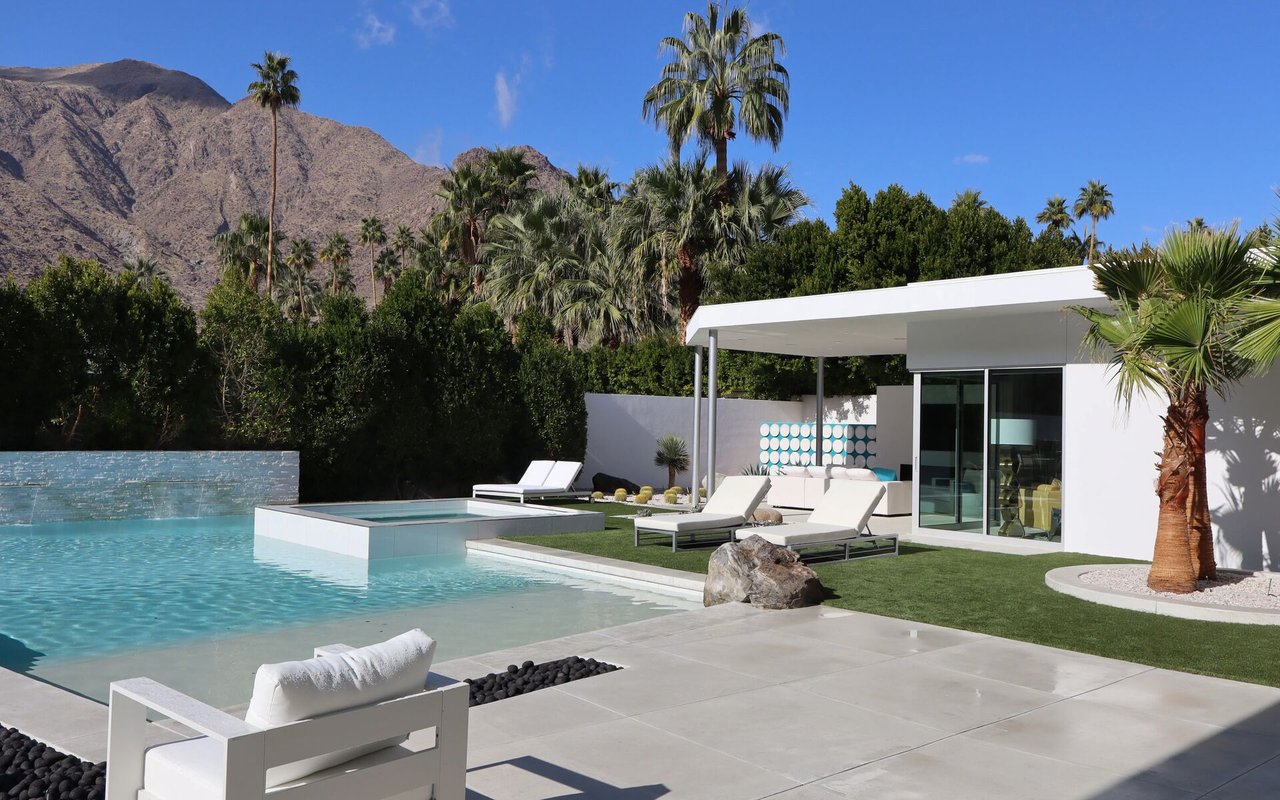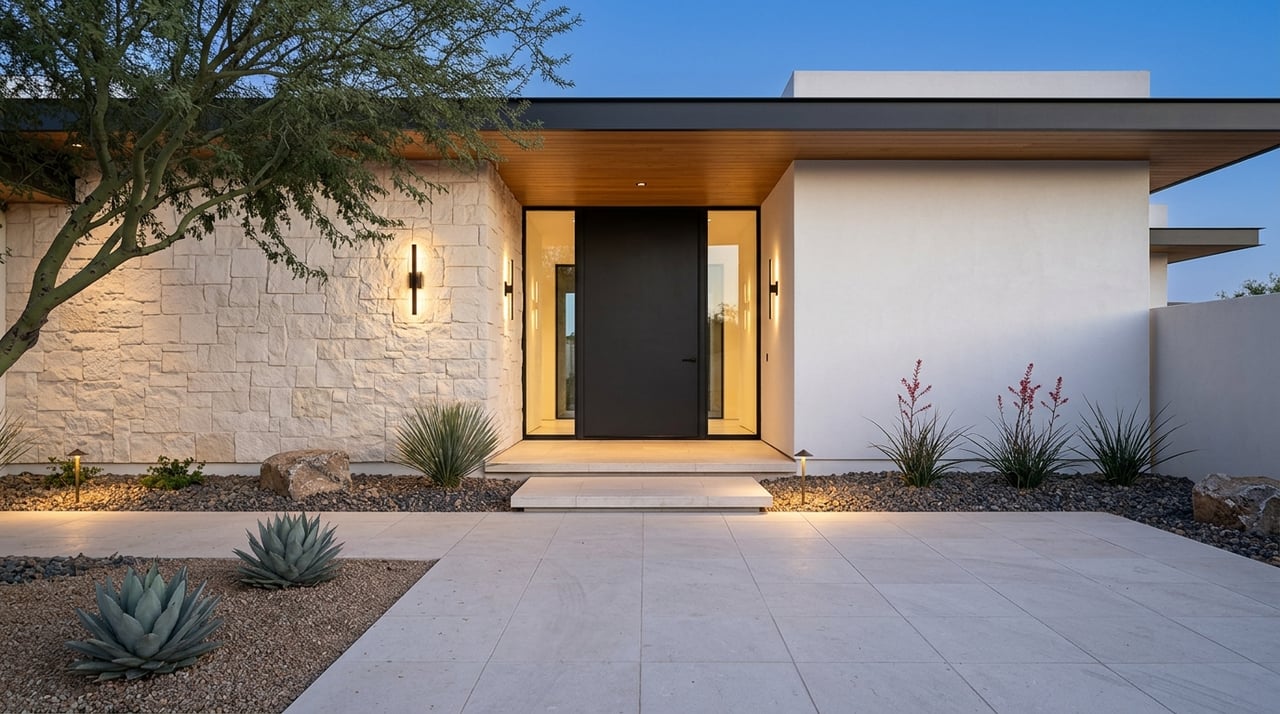
What makes one luxury listing feel calm, intentional, and memorable while another feels like work? In Arizona Biltmore Estates, that difference often comes down to curation. If you are preparing to sell a legacy home in a design-conscious neighborhood, buyers need more than square footage and polished finishes. They need a clear sense of the home’s architecture, flow, and care. This is where a thoughtful listing strategy matters most. Let’s dive in.
Why curation matters in Biltmore Estates
Arizona Biltmore Estates sits within Phoenix’s Biltmore district and operates within a setting shaped by long-standing architectural and landscape standards. The Arizona Biltmore Estates Village Association, or ABEVA, provides master-level oversight for shared elements like common-area landscaping, streetlights, and paving outside the individual communities. Its history also reflects close attention to architecture, landscaping, and use restrictions.
That context matters when you bring a home to market. In a place with a strong design legacy and a resort backdrop recognized on the City of Phoenix historic property register, a listing tends to resonate more when it highlights stewardship, character, and intentional presentation. Instead of relying on generic luxury language, the strongest listings feel architecture-first.
The market still rewards preparation
The broader Biltmore market in June 2026 showed seller-leaning conditions, but not a market where presentation can be ignored. Realtor.com reported about 52 homes for sale, a median listing price near $1.0 million, 62 median days on market, and a 96% sale-to-list ratio. Redfin reported a median sale price of $1.07 million and 76 days on market over the prior three months.
For you, the takeaway is simple. Buyers are active, but they still notice clutter, unclear pricing, weak photos, and homes that feel under-edited. A well-curated listing supports pricing discipline because it helps buyers understand the value before they ever walk through the door.
Start with the architecture
In Arizona Biltmore Estates, many homes benefit from a presentation strategy that begins with the structure itself. That means asking what the home is trying to say through its layout, materials, light, and connection to the site. When the listing story follows those cues, the home feels easier to absorb.
This is especially important for expansive single-level properties. Large rooms, long sightlines, and broad footprints can either feel serene or overwhelming. The goal is to make the home read clearly, not just look expensive.
Define readable living zones
According to the National Association of Realtors consumer staging guidance, staging helps buyers visualize a home more easily. In its 2025 guide, 83% of buyers’ agents said staging made it easier for buyers to picture themselves in the property. More than a quarter said staging led to 1% to 10% more in offered value, and about half of sellers’ agents reported a shorter time on market.
For larger estate homes, the practical move is to break the plan into readable zones. A sitting area should feel distinct from a conversation area. A long great room should show how daily living, dining, and entertaining can coexist without feeling vague or oversized.
Edit instead of overfilling
NAR’s staging guidance recommends removing bulky furniture, clearing personal items, keeping closets about half full, and favoring neutral palettes and spotless surfaces. It also notes that bold decor, overcrowding, and highly personal items can distract buyers.
In a Biltmore estate, this does not mean stripping away all personality. It means editing with discipline. You want enough warmth to humanize the home, but not so much that buyers lose sight of the architecture.
Use partial staging strategically
NAR also notes that partial or personalized staging can help a home feel like a home while still showcasing character. That is especially relevant in architecturally significant properties, where original features, custom millwork, or distinct room shapes deserve thoughtful support rather than generic staging packages.
In practice, this can mean furnishing only the rooms that clarify scale and flow. A selective approach often feels more refined than filling every corner. It lets the home keep its identity while helping buyers understand how it lives.
Make the exterior feel deliberate
The outside of the home sets expectations before a buyer ever reaches the front door. In Arizona Biltmore Estates, that first impression should feel composed and intentional, not improvised.
Because ABEVA manages common-area landscaping and certain shared exterior elements outside the individual communities, and because its Architectural Committee handles architectural and landscaping control for those shared areas, exterior edits should be handled carefully. If your prep work touches areas affected by association oversight, coordination matters.
Refine the front approach
Phoenix guidance describes desert landscaping as using low-water-use and desert-friendly plants adapted to local soil and rainfall. The Arizona Department of Water Resources similarly describes xeriscape as using drought-resistant plants to conserve water.
For your listing, that supports a restrained exterior plan. Selective pruning, clean hardscape, simplified planters, and a clearer entry sequence often work better than trying to create a lush look that feels scattered. In this setting, less can feel more polished.
Treat lighting as part of staging
Exterior lighting should support both the buyer experience and the media plan. A well-lit approach makes the arrival sequence easier to read after sunset, and it helps photographers capture balanced exterior images.
That does not mean adding drama for its own sake. It means making sure pathways, key architectural lines, and the front entry read clearly in person and on camera. When done well, the home feels composed from the street to the threshold.
The media package is not optional
Most buyers start online, and luxury buyers are no exception. Zillow’s guide to listing media reports that 97% of buyers use the internet in their search. It also cites NAR-based data showing that photos are the most important listing feature for 90% of buyers, and that 81% are more likely to view a home if the listing includes a preferred floor plan.
For a Biltmore estate, media is not a final step. It is a core part of how the home is understood.
Show scale and circulation
Large single-level homes can be hard to grasp through standard photos alone. A strong visual package should help buyers understand the home’s scale, how rooms connect, and how the house sits on the lot.
That usually means combining several assets:
- Professional photography that highlights light, materials, and sightlines
- Wide exterior images that explain the facade and approach
- Aerial photography that clarifies lot size, roofline, and site placement
- Floor-plan assets that show how the single-level layout actually functions
- Virtual tours when they help remote or second-home buyers engage with the property
Use twilight and aerials with purpose
Twilight imagery can be especially effective when the facade, landscape lighting, or outdoor living areas benefit from a softer evening presentation. Aerial views can also add important context in estate settings where lot shape and home placement affect buyer perception.
The key is restraint. Every image should help explain the property, not simply increase the photo count.
Keep visuals accurate
If virtual staging or image enhancements are used, NAR guidance says material alterations should be disclosed so buyers receive a true picture of the property. Accuracy builds trust, and trust supports stronger decisions once a serious buyer engages.
In a design-forward listing, honesty is part of the presentation. Buyers should feel impressed, not managed.
Create a controlled launch strategy
For privacy-minded sellers, effortless does not mean passive. It means thoughtful control over timing, exposure, and access.
Nationally, NAR’s 2025 buyer-and-seller profile found that 91% of sellers and 88% of buyers used a real estate agent or broker. In the luxury space, that helps explain why many sellers prefer a curated rollout rather than an immediate mass-market push.
Understand local MLS rules
In this market, ARMLS rules are the local guardrails. As updated May 28, 2026, public marketing triggers MLS submission within one business day. ARMLS defines public marketing broadly, including yard signs, public-facing websites, IDX and VOW displays, email blasts, and multi-brokerage networks.
ARMLS also defines an Office Exclusive as a seller-directed listing that is not disseminated through the MLS or publicly marketed. A Coming Soon listing can delay IDX and public portal syndication for up to 30 days, with disclosure that the seller is delaying the benefits of immediate MLS exposure.
Use discretion compliantly
A discreet listing strategy should be framed as a controlled and compliant launch, not a workaround. Depending on your goals, that may include broker previews, limited showing windows, or a staged release of photography and public exposure.
When the rollout matches the property and the seller’s priorities, the process can feel more orderly and less intrusive. That is often a major part of what makes a luxury listing feel effortless from the outside.
What effortless really looks like
In Arizona Biltmore Estates, effortless is rarely accidental. It usually comes from a series of disciplined choices that make the home feel clear, calm, and worthy of attention.
That means leading with architecture, editing interiors with restraint, refining the exterior approach, investing in a serious media package, and choosing a launch strategy that respects both privacy and local rules. In a market where buyers still have standards and time to compare, curation is not just aesthetic. It is practical.
If you are considering a sale in Arizona Biltmore Estates, the best results often come from treating the listing as a guided experience rather than a simple upload. For a confidential, design-led approach to preparing and positioning your home, contact Luxe Client Group.
FAQs
What makes a Biltmore Estates listing feel effortless to buyers?
- A listing usually feels effortless when the home is edited around its architecture, staged to clarify scale and flow, professionally photographed, and launched through a clear, controlled marketing plan.
How important is staging for an Arizona Biltmore Estates home sale?
- NAR’s 2025 consumer staging guide reports that 83% of buyers’ agents said staging helps buyers visualize a home, and many agents also associated staging with stronger offers and shorter time on market.
What exterior updates matter most before listing in Arizona Biltmore Estates?
- The most helpful updates are usually selective pruning, simplified planters, clean hardscape, and a clear entry sequence that fits desert landscaping principles and respects any applicable association oversight.
Why do floor plans and aerial photos matter for large single-level homes?
- They help buyers understand scale, circulation, lot placement, and how the layout lives, which can be difficult to grasp from standard interior photos alone.
Can you market a luxury home discreetly in the Phoenix area?
- Yes, but the strategy must follow ARMLS rules, which distinguish between Office Exclusive listings, Coming Soon listings, and public marketing that triggers MLS submission timelines.
How does Arizona Biltmore Estates context affect listing strategy?
- The area’s architectural legacy, resort-adjacent setting, and established design standards support a presentation style centered on stewardship, design clarity, and a measured, privacy-aware launch.