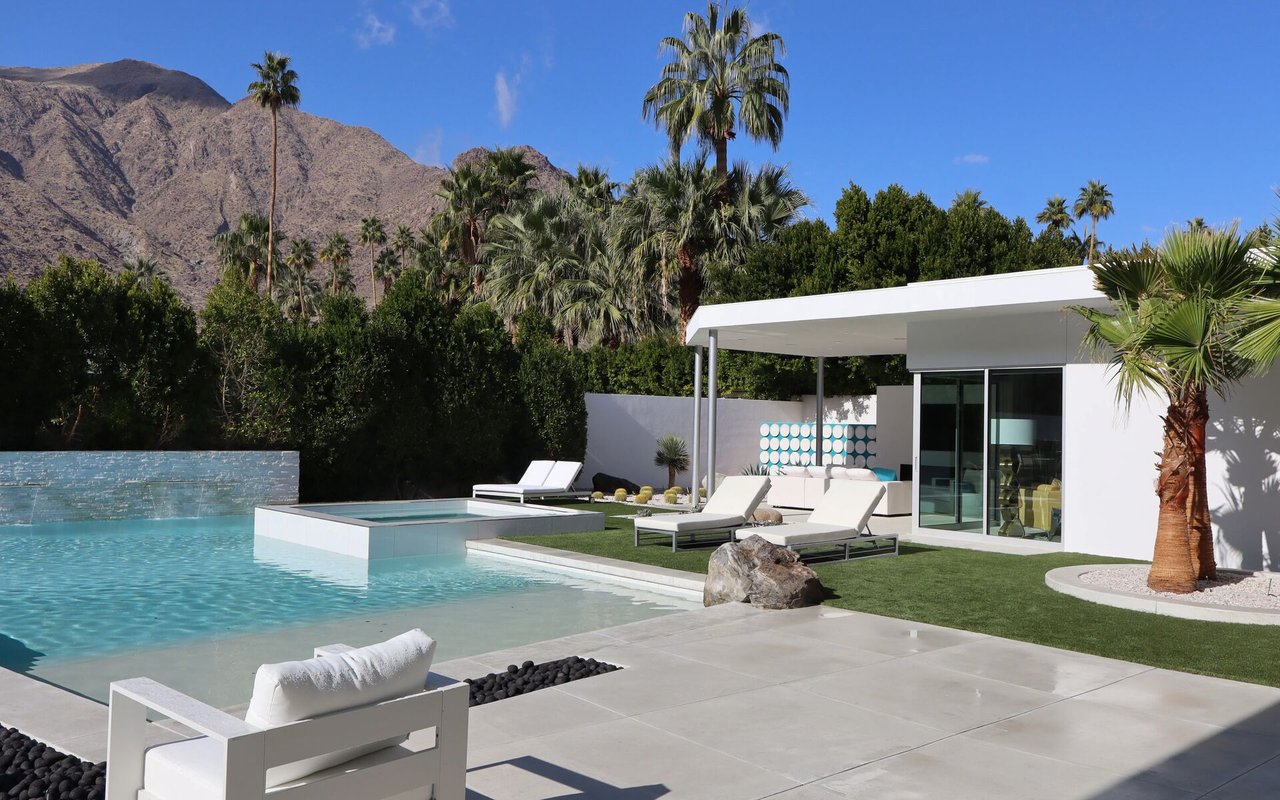
The Arizona climate is specific in ways that the national luxury market does not account for. Materials and systems that perform reliably in coastal or temperate markets have a different track record in a desert environment with extreme heat, intense UV exposure, low humidity, and monsoon season moisture events. At the $2M+ level, buyers are increasingly aware of this, and material specification is showing up as a due diligence item in ways it was not five years ago.
For sellers, this means that the material choices made during a renovation or the original construction of a property have a direct effect on how buyers evaluate it, and how much room they feel they have to negotiate.
Materials That Signal Long-Term Value
Exterior cladding in stone, stucco with proper weep screed and expansion joint detailing, and sealed concrete or porcelain tile perform well in the Arizona climate and signal to buyers that the property was built or updated with the environment in mind. These materials do not require frequent replacement, they do not fade or degrade visibly under UV exposure at the rate that painted wood or composite materials do, and they read as considered choices to a design-aware buyer.
Interior tile, particularly in high-traffic areas and primary baths, holds its value when it is a natural stone or large-format porcelain with quality installation. The grout lines, the substrate preparation, and the transition details tell a buyer as much as the tile itself. A well-installed floor communicates craftsmanship in a way that a trendy material with poor execution does not.
Roofing materials matter more in Arizona than in most markets because the combination of heat, UV, and monsoon exposure degrades lower-grade products faster than their rated lifespan suggests. Concrete tile, clay tile, and standing seam metal are the specifications that hold value and hold up. Buyers who have done their research know this, and they ask.
Materials That Create Buyer Hesitation
Painted wood trim and wood-framed exterior elements require ongoing maintenance in Arizona that buyers at this price point increasingly do not want to manage. When exterior wood shows evidence of paint failure, checking, or moisture intrusion, it becomes a negotiation point, not because the repair is catastrophic, but because it signals that maintenance has been reactive rather than proactive.
Carpet in primary living areas and primary suites has become a liability in the $2M+ market in most Valley submarkets. It is not that buyers categorically reject it, but it signals an older property or an incomplete renovation, and it invites a conversation about replacement cost during the offer process.
HVAC ductwork, insulation, and window specifications from before 2010 are increasingly visible to buyers who are thinking about thermal performance and energy cost in an Arizona home. A property with original single-pane windows or insufficient attic insulation will be identified during due diligence and priced accordingly.
The Practical Implication
Sellers preparing a property for the $2M+ market benefit from a material audit before listing: not a cosmetic refresh, but an honest assessment of which specifications are likely to generate buyer questions and which are likely to generate confidence. The properties that close with the least negotiation are the ones where the buyer's due diligence confirmed what the presentation suggested, rather than revealing conditions that were not disclosed in how the property was shown.
Material specification is one of the least discussed and most consequential variables in how a luxury home holds its value over time. We cover what the Arizona market is actually rewarding at the Curated Journal — from finish conditions to buyer behavior to submarket trends. Come back regularly for analysis that goes deeper than the surface.