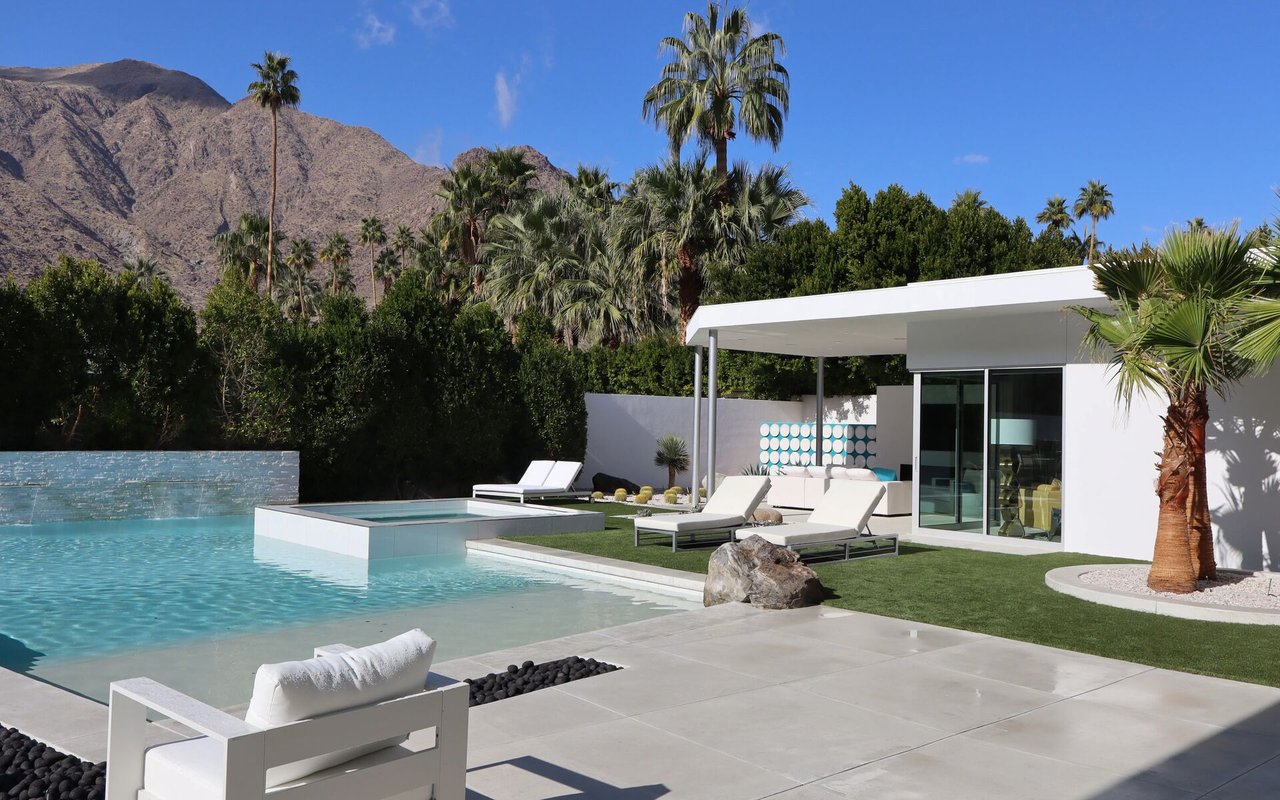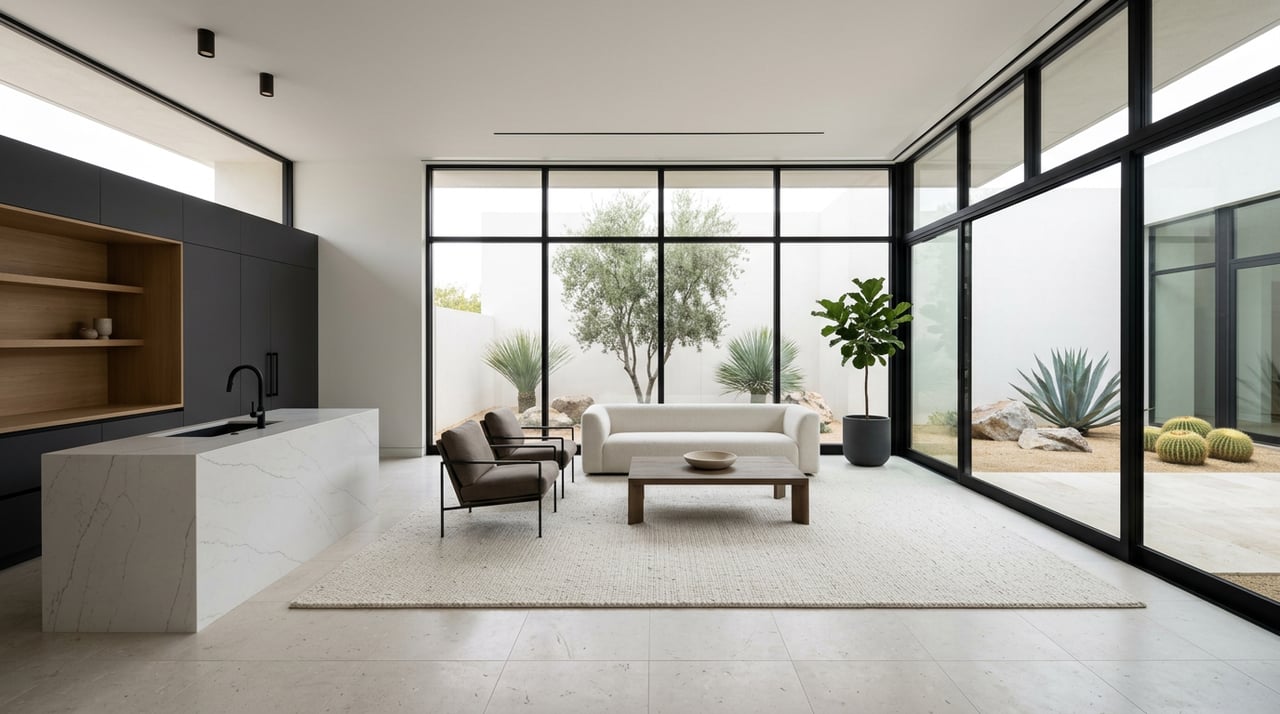
Thinking about selling your Paradise Valley estate this year? In a town where one eight-figure closing can move the headline number, clarity is everything. You want a data-led read on pricing, timing, and what truly moves high-end buyers so you can sell with confidence, not guesswork. In this snapshot, you will see where the market stands, how price bands behave, and what steps help you protect value while minimizing time on market. Let’s dive in.
Paradise Valley at a glance
Paradise Valley remains the Valley’s priciest, low-volume market. Because inventory is thin and trophy listings are common, public trackers often show different medians in the same month. Recent snapshots illustrate the range:
- Redfin median sale price, Jan 2026: $4,785,000 (closed sales).
- Zillow ZHVI, Jan 31, 2026: $3,380,077 (typical home value index).
- Realtor.com median list price, Dec 2025: $5,500,000 (active listings).
Those differences are normal here. Each source measures a different part of the market. In PV, one or two $10M to $30M closings can pull medians up, while a quiet month of smaller sales can pull them down. The smartest approach is to use a range and look at 3 to 12 months of data when setting list price.
On pace and activity, you will also see mixed signals. Public trackers recently showed anything from about a month to several months for listings to go under contract. That spread reflects three things: your price band, presentation, and whether your home is turnkey or needs work. Well-positioned homes can move faster. Bespoke estates with complex features often need a longer runway.
Sale-to-list ratios are another steady guide. Recent snapshots show most PV sellers accept a modest concession from original ask, with sale-to-list ratios in the mid 90s. In practice, that means pricing precision and professional presentation matter if you want to keep concessions tight.
Why numbers swing in PV
Paradise Valley is a small, ultra high-end market. Monthly medians can be volatile because the sample size is small and top-tier sales are outsized. Local analysts and appraisers often prefer rolling 6 to 12 month views for stability. That lens helps you frame a defensible price, especially when your property is unique.
You also see headline noise from trophy activity. Recent reporting highlights repeated $10M-plus sales in PV, which shape averages and media narratives. For context on how high-priced closings influence perception, see national coverage of PV’s post‑pandemic luxury cycle in the Wall Street Journal’s report on sustained high-end sales in town. Recent WSJ coverage of PV trophy activity offers helpful perspective.
For pricing stability and small-market best practices, many local pros lean on longer windows and percentile ranges. The Cromford Report has long noted small-sample volatility in luxury enclaves, which is why you should anchor your list strategy to multi-month medians instead of single-month snapshots. Cromford Report commentary on volatility aligns with this approach.
What sells fastest by price band
Price bands in PV behave differently because buyer pools shrink as prices rise. Use these practical bands to set expectations and plan the right campaign.
$2.0M to $4.99M: Lower luxury, broadest pool
- Buyer pool: the largest in PV, often affluent local and regional buyers.
- Timing: when well priced and turnkey, many homes see offers in roughly 30 to 90 days.
- What wins: strong indoor–outdoor flow, updated kitchens and primary suites, mountain views, and low immediate maintenance.
- Negotiation: still present, though sharper pricing and presentation can reduce concessions.
$5.0M to $9.99M: Core luxury, selective pool
- Buyer pool: smaller and highly selective about lot, view corridors, systems, and architectural coherence.
- Timing: plan for approximately 60 to 150 days. Private preview periods and targeted outreach matter more here.
- What wins: privacy, design integrity, quality of systems, and a compelling lifestyle narrative supported by editorial-level visuals.
- Negotiation: more common. Expect offers in the mid 90s of ask unless your home is turnkey and positioned as a true standout.
$10M+: Ultra and trophy, patient campaign
- Buyer pool: bespoke, relationship-driven. Often all-cash or equity-rich relocation and second-home purchasers.
- Timing: measured in quarters, not weeks. Many successful sales blend discreet outreach with curated public exposure.
- What wins: architectural significance, privacy, acreage, and a seamless presentation that removes friction for high-net-worth buyers.
- Appraisal: comps are thin, so you need an appraisal-ready package to avoid friction.
Who is buying in PV right now
PV continues to draw interest from wealthy out-of-state buyers seeking privacy, resort access, and low-hassle living. Public search and migration data show inbound demand from major metros such as Chicago, Seattle, Los Angeles, Dallas, and San Francisco. National reporting has also covered the trend of affluent buyers moving resources into Arizona, which aligns with what local brokers observe. See this overview of high-end transaction activity in PV for additional context: WSJ reporting on sustained luxury demand.
Cash and near-cash buyers are a meaningful share at the top end. Local coverage has highlighted multiple $6M to $9M cash closings that shorten timelines and reduce financing risk for sellers. If you are prepared to close quickly with clean inspection and permit files, you can often preserve more of your asking price. See regional coverage here: Scottsdale REALTORS on cash buyer activity.
What these buyers consistently want: turnkey condition, privacy, mountain views, and modern indoor–outdoor living. Homes that remove immediate work for the next owner tend to win the speed and price conversation.
Timing your sale
Thoughtful sellers treat timing as a strategy, not a guess. Based on recent closed-sales and listing-side snapshots and how each band behaves in PV, here is a practical planning range:
- $2M to $4.99M: anticipate 30 to 90 days for well-positioned homes.
- $5M to $9.99M: plan for about 60 to 150 days and include a targeted outreach period.
- $10M+: plan for a patient, relationship-led campaign measured in quarters.
Within each band, presentation is the control you own. The cleaner and more complete your preparation, the less time you typically need to find the right buyer at a price that protects your net.
Prep that pays off in PV
Focus on improvements that buyers notice and appraisers value. Two areas drive outsized returns: presentation and mechanical confidence.
- Prioritize professional staging and creative. NAR reports that staging often lifts offers by 1 to 10 percent and can shorten time on market. Living rooms, primary suites, and kitchens carry the most weight with buyers. See the data in NAR’s home staging report.
- Invest in mechanical readiness. Address pool systems, HVAC, roofing, irrigation, and gates or security. A clean inspection reads as “low hassle,” which eases buyer and appraiser concerns.
- Build a complete property file. Include a renovation ledger, permit history, and system warranties. This is critical in PV, where hillside guidelines and town-level approvals can influence value. Review the town’s process here: Town of Paradise Valley planning and hillside info.
- Lead with editorial marketing. High-caliber photography, film, and copy help your home live as a lifestyle story, not a commodity listing. Well-crafted launches can create urgency and protect asking price. For a taste of how polished presentation can perform, see this local case study of a fast, premium sale: Arizona Foothills Magazine case study.
Pricing with confidence
In PV, price is a narrative supported by evidence. You want the number to be aspirational yet defensible.
- Use rolling 3 to 12 month medians and exclude obvious outliers when they do not reflect your property’s peer set.
- Present percentile ranges. Showing a 25th to 75th percentile band helps anchor the conversation with cautious appraisers and analytical buyers.
- Prepare an appraisal-ready comp packet. Include permits, upgrades, and architectural details. The Cromford Report’s guidance on small-market volatility reinforces why a multi-month, packet-based approach works best here. Review broader context on volatility: Cromford Report resource.
- Expect measured negotiation. With recent sale-to-list ratios in the mid 90s, plan to be flexible on timing and minor concessions that preserve your net versus risking extended exposure.
Marketing and negotiation in practice
For $5M-plus properties, successful campaigns layer broad reach with precision. Public exposure builds social proof while private channels surface qualified buyers who value discretion.
- Combine curated public launch with confidential outreach to known buyer networks. In PV, many trophy transactions originate from broker-to-broker conversations and private showing periods. Local coverage of top sales underscores how relationship-driven this tier can be. See a sample roundup of recent PV high-end closings here: Arizona Progress Gazette overview.
- Use national distribution intelligently. For relocation and second-home buyers, targeted placement across trusted luxury channels expands your buyer pool beyond Phoenix while keeping your story consistent.
- Negotiate with a plan. Prioritize terms that protect net proceeds, like shorter inspection windows once disclosures are delivered, or rent-backs if you need time. The goal is to keep momentum without giving up more than the market requires.
How Luxe Client Group helps thoughtful sellers
If you value discretion, design-led presentation, and measurable outcomes, your sale benefits from a boutique, editorial approach.
- Design-first pricing and presentation. Our leadership holds certified interior design credentials. We strategically stage and, when valuable, coordinate light pre-sale renovations so your home shows as a complete story. That often reduces days on market and supports stronger offers.
- Concierge execution. From vendor management to Compass Concierge integration, we handle the details that remove friction for you and for buyers.
- Private placement expertise. For privacy-minded sellers, we can run confidential previews and broker-only showings before or alongside public launch to reach serious, qualified prospects.
- Compass-enabled reach. We pair local expertise with proprietary tools and national distribution so your listing reaches high-intent buyers across markets without diluting your brand.
If you are considering a sale in Paradise Valley and want a data-led plan tailored to your property, we would be honored to advise you. Start a discreet conversation with Luxe Client Group.
FAQs
What is the current price range for Paradise Valley medians?
- Recent snapshots show a wide range due to different methodologies: a closed-sale median near the mid $4 millions in Jan 2026, a typical value index around the low $3 millions, and a list-side median near the mid $5 millions.
How long does it take to sell a luxury home in PV?
- Expect roughly 30 to 90 days for well-priced homes in the $2M to $4.99M band, 60 to 150 days for $5M to $9.99M, and a patient, quarter-scale campaign for $10M-plus.
What features do Paradise Valley buyers value most today?
- Turnkey condition, privacy, mountain views, modern indoor–outdoor living, and high-quality systems that signal low immediate maintenance.
How should I price a unique or trophy property in PV?
- Use rolling 6 to 12 month medians, show percentile bands, and prepare an appraisal-ready comp packet with permits and upgrades so appraisers and buyers can justify your target range.
Does staging really help in the PV luxury market?
- Yes. NAR research indicates staging often leads to higher offers and faster sales, with living rooms, primary suites, and kitchens delivering the most impact.
Are cash buyers common at the top end in PV?
- Yes. All-cash or near-cash offers are common in upper tiers, which can shorten timelines and reduce financing risk for sellers.
Do PV hillside or town rules affect my sale?
- They can. Hillside and town approvals influence value and appraisals, so gather your permit history early and be ready to provide it to buyers and lenders.