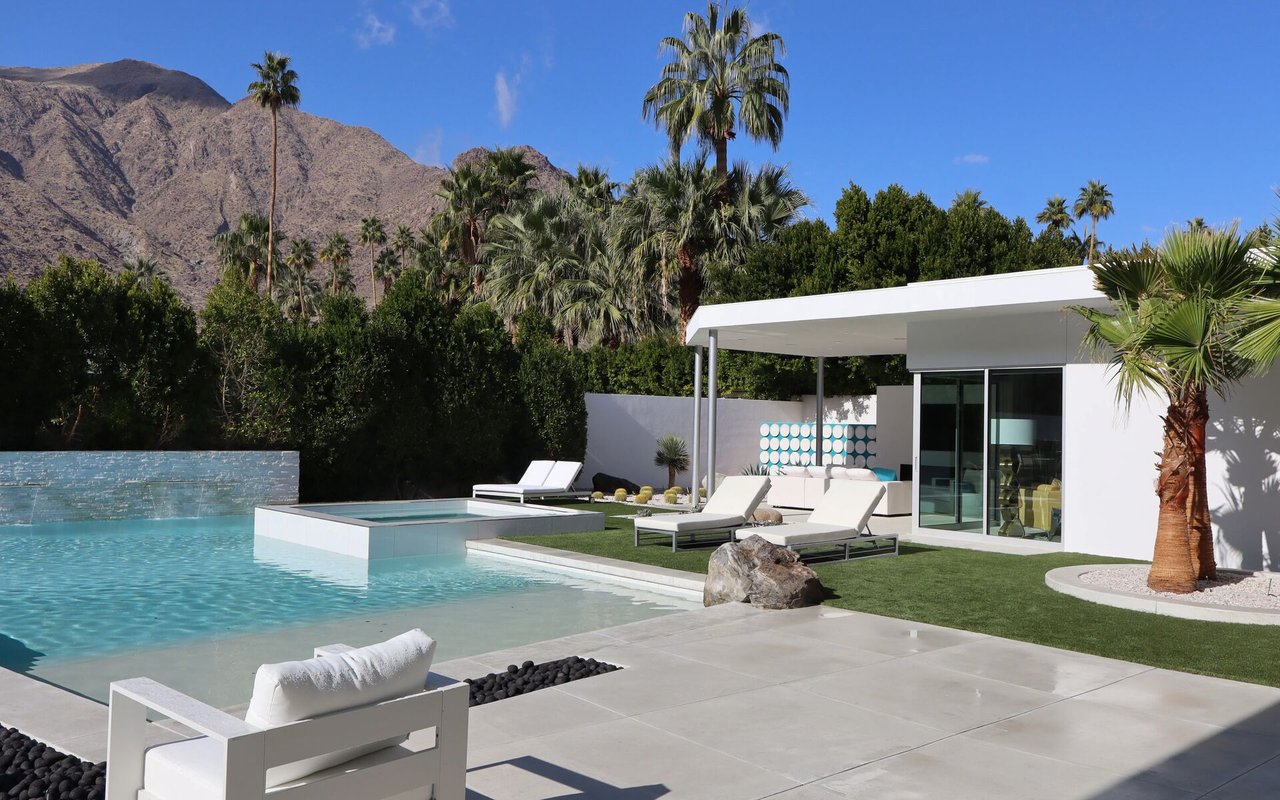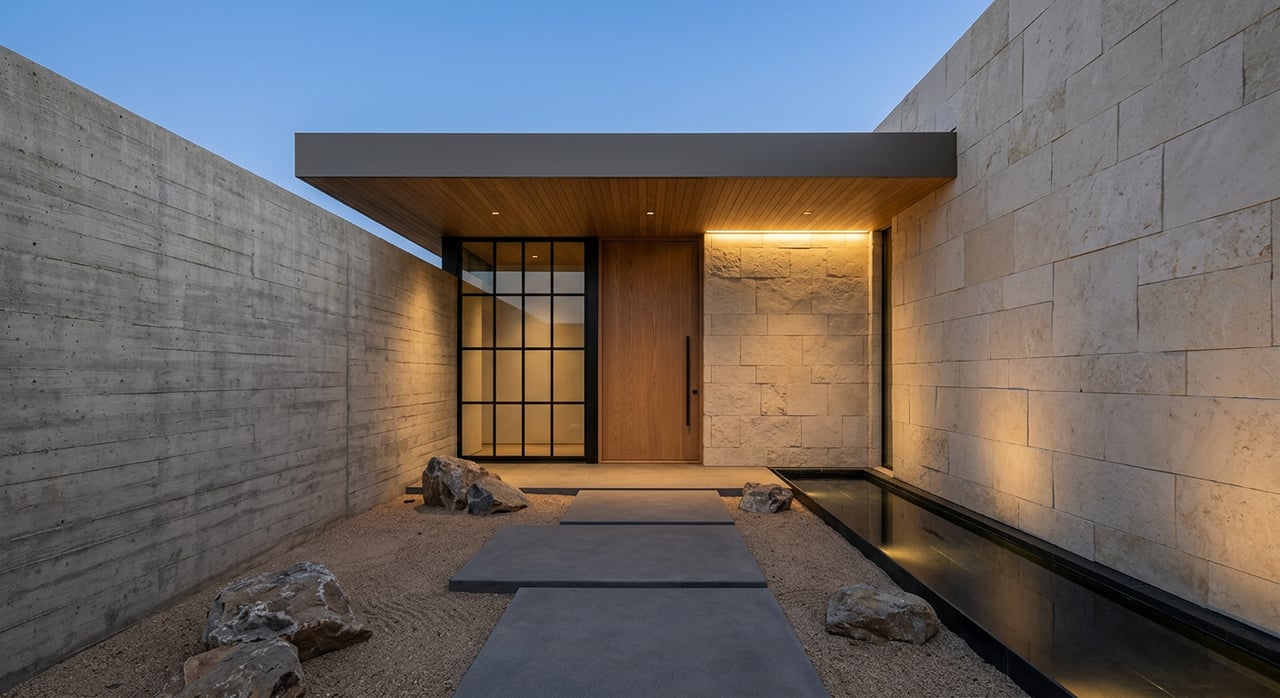
If you’re planning to sell a legacy estate in Paradise Valley and want true discretion, you have more options than you might think. You also have rules to follow. The right “quiet” strategy can protect your privacy, attract qualified buyers, and keep leverage on your side. In this guide, you’ll learn the compliant off‑market pathways available in Arizona, how they work in practice, and how to decide when to go private, when to go public, and how to combine both for the best result. Let’s dive in.
Paradise Valley market reality
Paradise Valley is a rare, low‑inventory luxury market where values often reach into the multi‑millions. Public snapshots show typical values in that range, though medians shift based on trophy sales and methodology. For context, review the current local snapshot on Zillow’s Paradise Valley home values page. Remember that a handful of very large sales can move the median.
For estate sellers, taxable value trends also matter. The Maricopa County Assessor’s city‑level reports offer a stable benchmark for tax assessments and historical context you can share with buyers and advisors. You can reference the Assessor’s single‑family residential report for Paradise Valley’s official figures.
The buyer pool for ultra‑luxury properties is narrower by design. Many successful buyers are Arizona‑based or seasonal high‑net‑worth clients, out‑of‑state relocators, and a smaller share of international or institutional buyers at the trophy level. That’s why a curated outreach can be effective here, provided it is executed within MLS and legal guardrails.
Quiet options defined
Office Exclusive (brokerage‑internal only)
An Office Exclusive keeps your listing inside the listing brokerage only. No public marketing. Under NAR’s Clear Cooperation Policy, once you publicly market a listing, you must submit it to the MLS within one business day. ARMLS affirms that Office Exclusives are allowed, but any public or multi‑broker marketing triggers MLS submission. Review the NAR Clear Cooperation policy and the ARMLS guidance before you start.
When to use it: maximum privacy and tight control. Tradeoff: very limited exposure, which can reduce competitive tension.
Broker‑supported Private Exclusives (Compass example)
Some brokerages offer formal pre‑market programs that share your property within the firm’s network while keeping it off public portals. Compass’s Private Exclusives program is a common example. It lets you quietly test pricing and invite vetted buyers through agent‑to‑agent channels. Many sellers pair this with Compass Concierge to complete targeted improvements before any public launch.
When to use it: you want controlled exposure to serious buyers and early feedback. Tradeoff: not every buyer searches beyond public portals, so you may plan a later public phase.
Delayed Distribution or Coming Soon (MLS‑managed)
Some MLSs have added a Delayed Distribution option that places your listing in the MLS for brokers to see while withholding it from public sites for a short, defined period. For example, Stellar MLS outlines its Delayed Distribution program, which limits consumer portal exposure while keeping broker cooperation. Availability and rules vary by market, so confirm whether ARMLS offers a similar pathway and what seller forms are required before you rely on this option.
When to use it: you want broad broker visibility without immediate public syndication. Tradeoff: timelines and showing rules are MLS‑specific.
Legal guardrails in Arizona
- Clear Cooperation: If you publicly market a property, you must submit it to the MLS within one business day. Public marketing includes yard signs, public websites, multi‑broker email blasts, and digital ads. See the NAR policy and ARMLS interpretation.
- Private communications: One‑to‑one broker communications may be allowed for Office Exclusives, but sharing within multi‑broker networks often counts as public marketing. Document your process.
- Seller disclosures: Arizona expects sellers to provide a Seller Property Disclosure Statement (SPDS). The Arizona Department of Real Estate explains buyers are entitled to it and that known material facts must be disclosed. Review the ADRE’s SPDS guidance.
When a quiet path fits
You might choose a quiet or phased approach if you value any of the following:
- Privacy and security for high‑profile owners or sensitive family transitions.
- Estate settlements where heirs want limited exposure while final preparations occur.
- Unique or architecturally significant properties that require a curated buyer and specialist marketing.
- Tactical pricing, where you test demand privately and refine your strategy before a public debut. Programs like Compass Private Exclusives can support this.
Tradeoffs to weigh
Quiet strategies reduce exposure, which can reduce competition. Academic research on information frictions shows that limited dissemination can affect price discovery and final outcomes. For very rare assets, a motivated private buyer can still pay a premium, but results depend on reaching the right people with the right story. See the evidence summarized in this peer‑reviewed review of real estate information frictions.
Step‑by‑step playbook
Weeks 0–2: Discreet preparation
- Assemble documentation: permits, plans, warranties, mechanical reports, landscape and pool records, and any architect provenance. Prepare your SPDS packet early to reduce friction. The ADRE’s SPDS guidance outlines buyer expectations.
- Improve presentation: Use Compass Concierge to fund staging or targeted updates without upfront cash. Even subtle design lifts can change first impressions and support your pricing.
- Calibrate price: Commission a tailored analysis using relevant estate and trophy comps. For distinctive architecture, consider a pre‑listing appraisal and a written comp memo to support future valuation and appraisal review.
Weeks 2–4: Private test launch
- Choose your pathway: Office Exclusive or broker‑supported Private Exclusive. Complete all required seller authorization forms and keep signed copies on file per ARMLS guidance.
- Curate your audience: Invite top local luxury buyer agents, family offices, and qualified prospects. Use password‑protected materials and NDAs when privacy is paramount.
- Broker‑only events: Host limited, invitation‑only previews. Track attendees and feedback. Keep a detailed communication log to demonstrate compliance.
Weeks 4–6: Decide and optimize
- Accept a vetted offer if terms, timing, and price meet your goals.
- Adjust and continue the private phase if interest is building but not yet optimal.
- Transition to a public launch if you want maximum exposure. If your MLS allows Delayed Distribution, you may use a short broker‑only window first. Confirm local rules before you adopt that step.
Targeted distribution that works
- Build a buyer short list: Work through known collectors, relocation advisors, and top buyer agents. Focus on those who have closed at your price tier in the last 12–24 months.
- Use controlled access: Share a private property brief with essential details. Release full media and provenance only after agent registration or NDA.
- Communicate one‑to‑one: Keep outreach within allowed channels for Office Exclusives, and document each contact. The ARMLS guidance clarifies how multi‑broker marketing can trigger MLS submission.
- Sequence exposure: A three‑phase flow is common. Start private, move to Coming Soon if applicable, then go public if desired. Pair each step with design‑led presentation to maintain momentum.
Pricing and appraisal support
In private campaigns, appraisers and buyers may have fewer public comps to reference. Prepare a comp memo early, including any relevant quiet sales you can disclose. If financing is involved, provide appraisers with plans, permits, upgrades, and provenance to support value. For tax context and buyer Q&A, reference the Maricopa County Assessor’s city‑level reports.
Paradise Valley specifics to prepare
- Neighborhood scarcity: Guard‑gated enclaves such as Finisterre and Judson see very low turnover. When something special is available, targeted introductions often work better than broad blasts.
- Architectural provenance: Paradise Valley has a meaningful stock of architect‑designed and design‑forward properties. Collect original plans, permits, and any design awards to support storytelling and valuation.
- Lot and hillside details: Confirm lot coverage, setbacks, and any hillside or view corridor considerations. Gather municipal approvals and variances in advance to remove doubt for serious buyers.
Simple seller checklist
- Confirm your listing pathway and complete required forms for Office Exclusive, Private Exclusive, or any MLS‑managed delay. See ARMLS rules.
- Prepare your SPDS and known material disclosures. Review the ADRE’s SPDS overview.
- Create a document room: plans, permits, warranties, mechanical and pool reports, and upgrade summaries.
- Align pricing, presentation, and timing. Use Compass Concierge for targeted improvements.
- Keep a communication log: who saw what, when, and under which authorization.
What success looks like with private selling
A well‑run quiet sale protects your privacy, preserves negotiating leverage, and gives you options. If a motivated, well‑matched buyer surfaces during the private phase, you can transact on favorable terms. If not, you can transition to a public launch with stronger photography, refined pricing, and real buyer feedback already in hand. The key is disciplined execution, design‑forward presentation, and compliance with MLS and Arizona disclosure rules.
If you’re weighing a discreet path for your Paradise Valley estate, we can help you plan and sequence each step with design leadership, concierge execution, and Compass private channels. For a confidential plan tailored to your goals, connect with Luxe Client Group.
FAQs
What is a quiet listing and is it legal in Paradise Valley?
- A quiet listing limits exposure to private or brokerage‑only channels; it is legal when you follow Clear Cooperation rules and Arizona disclosures, including SPDS delivery.
Will an off‑market sale get me the highest price?
- Not always. Limited exposure can reduce competition, though a curated buyer may still pay a premium; many sellers test privately, then go public if needed.
How do Clear Cooperation rules affect private showings?
- One‑to‑one broker communications may be allowed for Office Exclusives, but sharing across multi‑broker networks usually triggers MLS submission within one business day.
What documents should I prepare before any showings?
- SPDS, permits, plans, warranties, mechanical and pool reports, upgrade records, and a comp memo; gather architect provenance for design‑significant homes.
How long should the private phase last before going public?
- Many sellers allow 1–3 weeks for private testing after 2–8 weeks of preparation, then accept a strong offer or launch publicly based on feedback and goals.