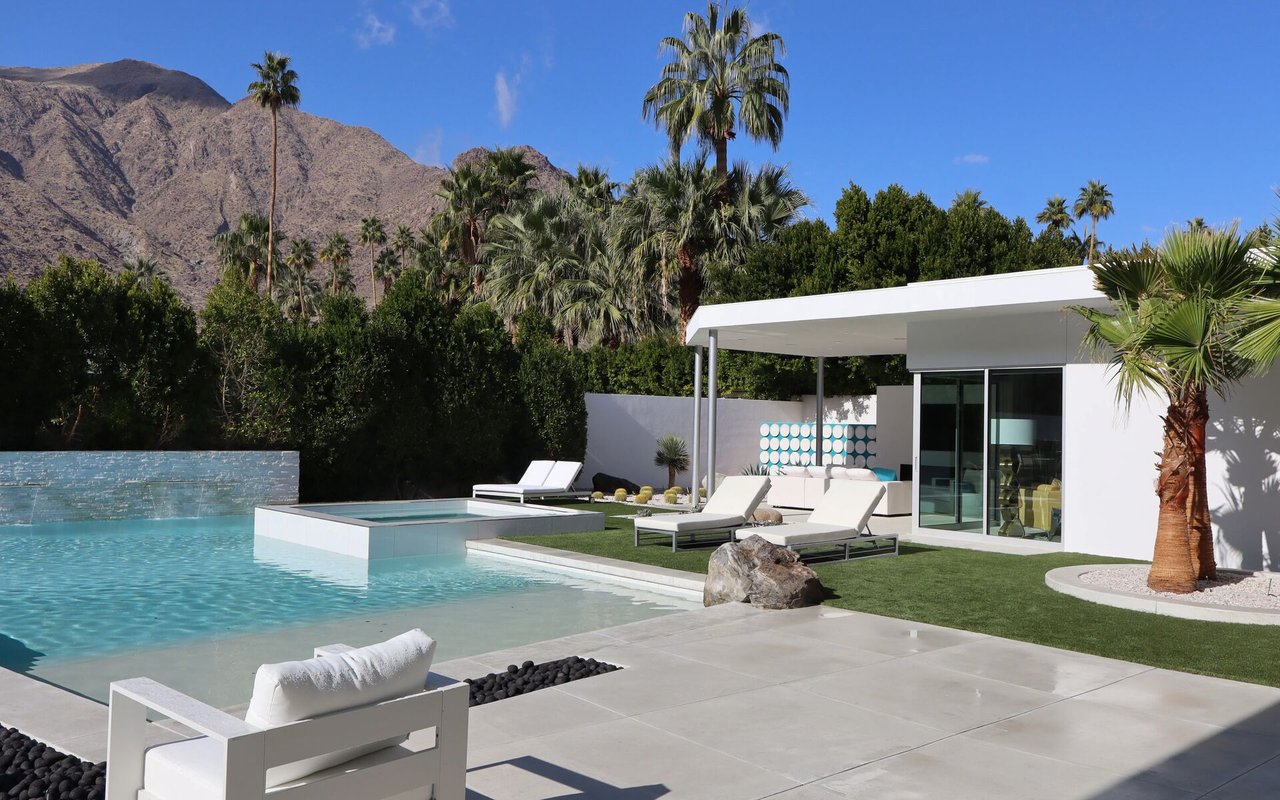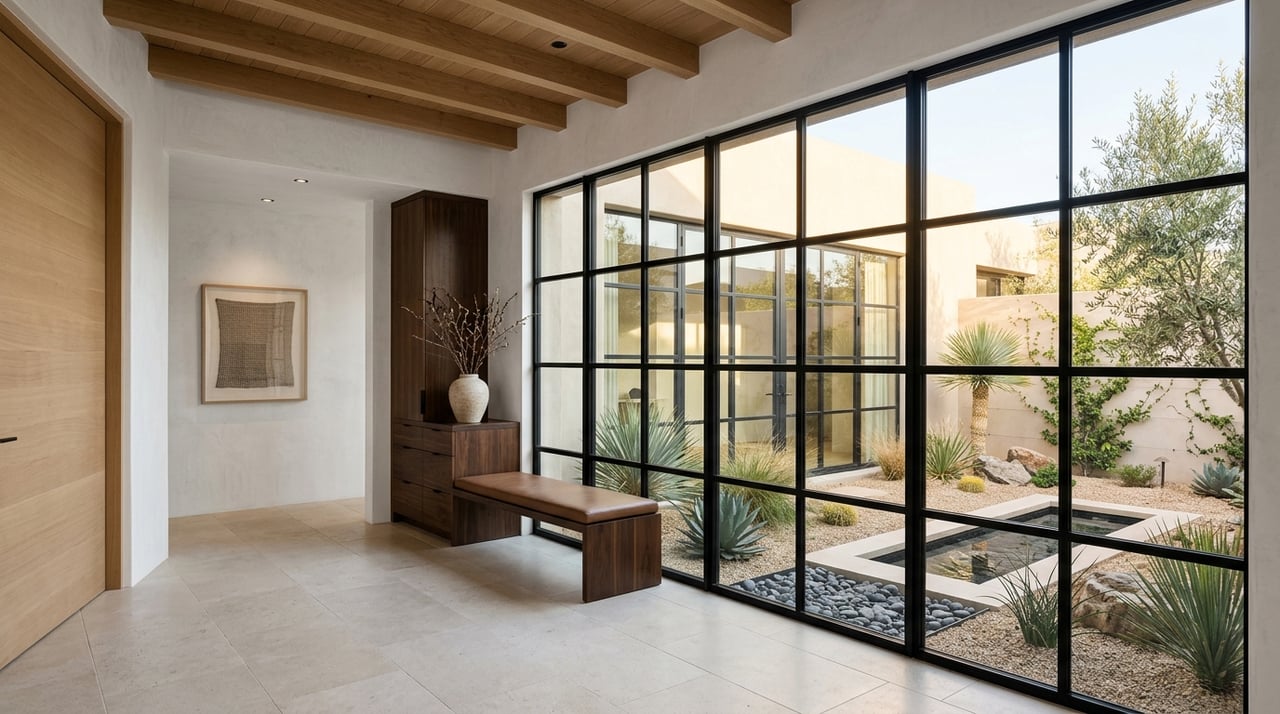
Wondering how to relocate to Scottsdale without ending up in the wrong version of Scottsdale? That is often the real challenge for design-minded buyers. If you care about architecture, lot context, indoor-outdoor living, and the details that shape daily life, you need more than a basic neighborhood list. You need a clear way to match your design priorities to the city’s distinct character areas, planning rules, and housing options. Let’s dive in.
Why Scottsdale appeals to design-minded buyers
Scottsdale is not just one luxury market. The city’s planning framework is built around character, design, open space, land use, neighborhood vitality, transportation, growth, and protection of desert and mountain lands through its General Plan 2035.
That matters if you are relocating because your search should start with place identity, not just price point. Scottsdale also uses a character-based planning system, with multiple designated character areas that help explain why one part of the city can feel urban and walkable while another feels rural, quiet, and shaped by the desert.
The city’s planning documents also place clear emphasis on Character & Design and Arts, Culture & Creative Community. In practical terms, Scottsdale tends to reward buyers who look closely at built form, streetscape, views, and how a home sits on its lot.
Start with your lifestyle filters
Before you tour homes, define the kind of environment you want to live in every day. For most relocating buyers, the first useful filters are these:
- Urban convenience versus desert-rural privacy
- Renovation potential versus move-in-ready design
- Larger lots versus central location
- Primary residence versus second-home use
- Frequent travel access versus a more secluded setting
This approach can save time because Scottsdale’s official plans point to meaningful differences from one area to the next. A home that looks right in photos may not align with your preferred setting, design flexibility, or long-term use.
Compare Scottsdale’s key design-oriented areas
Old Town Scottsdale for urban energy
If you want a more urban base, Old Town Scottsdale is a logical place to start. Scottsdale identifies Old Town as the downtown character area, with a plan that guides growth and development around land use, character and design, mobility, arts and culture, and economic vitality.
For a buyer, that means you are evaluating more than a home. You are also choosing a downtown context with a defined planning vision. If walkability, cultural activity, and a more connected city feel matter to you, Old Town deserves a close look.
Southern Scottsdale for renovation potential
If your eye is trained to see possibility, Southern Scottsdale may be especially compelling. The city says this area was planned with neighborhood preservation and character in mind, and much of its housing stock and commercial space was already 30 or more years old at the time of plan adoption.
That older housing base can create opportunities for thoughtful updates, additions, or broader redesigns. For design-minded buyers, this can be one of the more interesting places to compare original character, lot utility, and renovation upside.
Cactus Corridor for larger-lot flexibility
Cactus Corridor is worth comparing if you want more land and a lower-density feel without losing access to Scottsdale. The city describes it as a diverse area with equestrian and lifestyle uses alongside suburban subdivisions, and notes that the historic core includes lots from about 35,000 square feet to 2.5 acres.
That lot pattern can open up different design possibilities than you may find in more compact areas. If guest space, outdoor amenities, privacy, or a more expansive site plan matter to you, Cactus Corridor belongs on your shortlist.
Desert Foothills and Dynamite Foothills for desert character
For buyers drawn to a true desert setting, Desert Foothills and Dynamite Foothills offer a different experience. Scottsdale says the Desert Foothills plan aims to balance rural lifestyle with the fragile upper Sonoran Desert while promoting open spaces and trails.
Dynamite Foothills is similarly focused on preserving rural desert character and open space, with development patterns that generally work with 2- to 3-acre lots. If your ideal home includes more breathing room, stronger desert presence, and a lower-density backdrop, these areas are important to compare.
Greater Airpark for access and convenience
If your move includes frequent business travel or a need for airport proximity, consider the Greater Airpark. Scottsdale describes it as the city’s largest industrial-zoned area, a nationally recognized airport-based business park model, and a designated growth area.
For some relocating buyers, that combination can make daily logistics easier. If convenience, business access, and an active growth corridor are part of your priorities, the Airpark area may fit better than a purely residential desert setting.
Why the Foothills Overlay matters
For architecture-focused buyers, one of the most important local tools to understand is the Foothills Overlay. Scottsdale says this overlay is intended to preserve rural desert character in low-density lands and conserve the natural desert landscape.
The overlay also aims to minimize development impacts and retain visual character through controls on massing, colors, materials, grading, and landscaping. It helps maintain open spaces that provide view corridors and protect wildlife corridors.
That means the lot itself may come with meaningful design constraints and protections. If you are considering a custom build or a major remodel, these rules can shape what is practical, what is permitted, and how the finished home will relate to its surroundings.
Look beyond the house itself
A design-minded relocation search should include more than floor plans and finishes. In Scottsdale, planning tools such as the General Plan, character area plans, the Foothills Overlay, and ESL-related standards can affect building mass, setbacks, grading, landscaping, and exterior materials.
In other words, due diligence should include the lot’s planning context. This is especially important if you are buying for future customization, not just immediate occupancy.
How to vet builders and design professionals
If your Scottsdale move includes a remodel, addition, or new build, your professional team matters as much as the property. In Arizona, contractor licensure is required. The Arizona Registrar of Contractors says any business that contracts to build, alter, repair, add to, improve, move, wreck, or demolish a building or other improvement must be licensed.
The agency also regulates residential and commercial contractors and encourages homeowners to check the license status. It also administers a Residential Contractors’ Recovery Fund that can provide homeowner reimbursement protection in certain cases involving licensed residential contractors.
For architects and other design professionals, the Arizona State Board of Technical Registration is the official verification source. Its public search allows you to review registrant or business status, grant date, expiration date, and disciplinary action.
For a relocating buyer, this creates a simple standard. If someone is part of your design or build decision-making process, verify them through the appropriate Arizona authority before you commit.
Primary home or second home changes the analysis
If you are relocating to Scottsdale, be clear about how you plan to use the property. In Maricopa County, the Assessor describes a primary residence as the owner’s main home, generally where the owner lives more than seven months of the year. The county also says a homeowner can have only one primary residence, even if they own other homes in Arizona or elsewhere.
That distinction matters because vacation homes, secondary residences, and rental properties can be classified differently. Maricopa County notes that a non-primary residence can include a vacation home, secondary residence, or unoccupied home, while a property rented or intended to be rented to someone other than a qualifying family member is treated as rental property.
The county also notes that changing from primary-residence status may remove the State Aid Credit and can trigger review or reclassification. For buyers weighing a full relocation against a seasonal move, this is worth clarifying early.
If you may rent the home, know Scottsdale’s rules
Some buyers want the option to rent the property later. If that is part of your plan, Scottsdale’s local rules matter.
The city says any property offered for rent for less than 30 days requires a Scottsdale license. Its short-term rental rules also include family-size limits and a requirement that the dwelling and guesthouse be rented together.
For rentals of 30 or more consecutive days, the Arizona Department of Revenue defines that use as residential rental real property and notes that owners must still register the property with the county assessor. If rental flexibility matters to you, confirm the intended use before you buy.
Remote buying is possible in Arizona
If you are moving from another state, you may not need to be physically present for every step. Arizona’s remote notarization framework allows a signer to personally appear before a notary using audio-visual technology over the internet.
According to the Arizona Secretary of State, the document is usually electronic, identity must be verified under Arizona rules, and once the requirements are met, both the signer and the notary sign electronically and the notary applies an electronic seal. The notary must be physically located in Arizona when performing the remote notarization.
For you, the practical takeaway is simple. Remote closing can be workable, but it still requires coordination with the notary platform, escrow or title team, and lender.
A smarter way to shortlist Scottsdale homes
If you are design-minded, your Scottsdale search should feel curated from the start. Rather than touring every high-end listing that fits your budget, it is often more useful to narrow homes by setting, planning context, lot constraints, and design potential.
A thoughtful shortlist often starts with questions like these:
- Do you want downtown energy or a quieter desert setting?
- Are you open to renovation, or do you want finished architecture now?
- How important are larger lots, privacy, and view corridors?
- Will this be your primary residence or a second home?
- Do you need easy travel access?
- Are you considering future rental use?
In Scottsdale, those answers can shape not just where you buy, but how well the property fits your life over time.
For buyers who value architecture, discretion, and a more considered process, Scottsdale rewards careful planning. If you want help curating a move around design priorities, lot-specific realities, and lifestyle fit, Luxe Client Group offers a confidential, high-touch approach tailored to Scottsdale relocation buyers.
FAQs
What makes Scottsdale appealing for design-minded buyers?
- Scottsdale uses a character-based planning system, and its General Plan 2035 places strong emphasis on character, design, open space, and protection of desert and mountain lands.
Which Scottsdale areas should design-minded relocation buyers compare first?
- A practical starting set includes Old Town Scottsdale, Southern Scottsdale, Cactus Corridor, Desert Foothills, Dynamite Foothills, and the Greater Airpark because each offers a different mix of setting, lot size, design context, and daily convenience.
Why does the Foothills Overlay matter in Scottsdale?
- The Foothills Overlay can affect massing, colors, materials, grading, landscaping, open space, and view corridors, which makes it important for buyers considering custom homes or major remodels.
How can Scottsdale buyers verify Arizona contractors and architects?
- You can verify contractors through the Arizona Registrar of Contractors and architects or other regulated design professionals through the Arizona State Board of Technical Registration.
How does Maricopa County define a primary residence?
- Maricopa County generally describes a primary residence as the owner’s main home where the owner lives more than seven months of the year, and a homeowner can have only one primary residence.
What should Scottsdale buyers know about renting a home short term?
- Scottsdale requires a city license for any property offered for rent for less than 30 days, and local rules include family-size limits and a requirement that the dwelling and guesthouse be rented together.
Can out-of-state buyers close on a Scottsdale home remotely?
- Yes, remote notarization is possible under Arizona rules, but the process still needs coordination among the notary platform, escrow or title team, and lender.