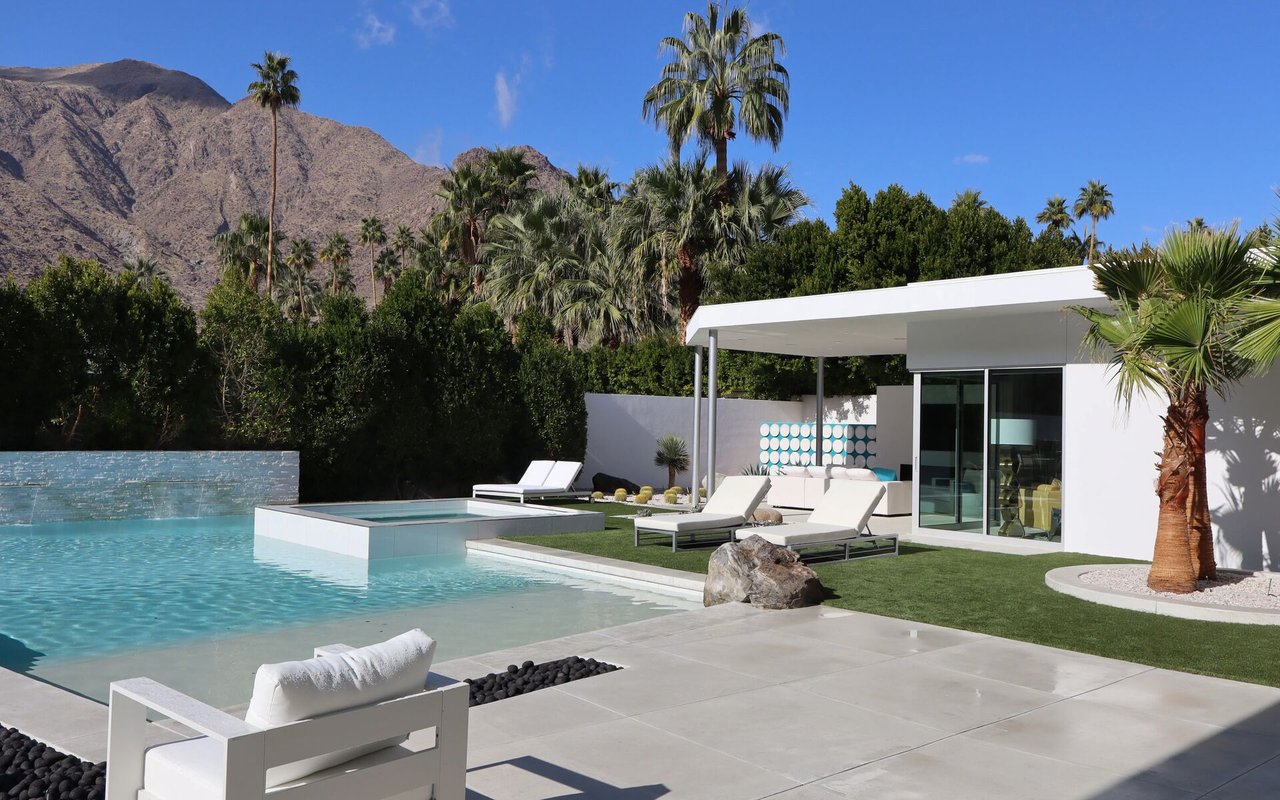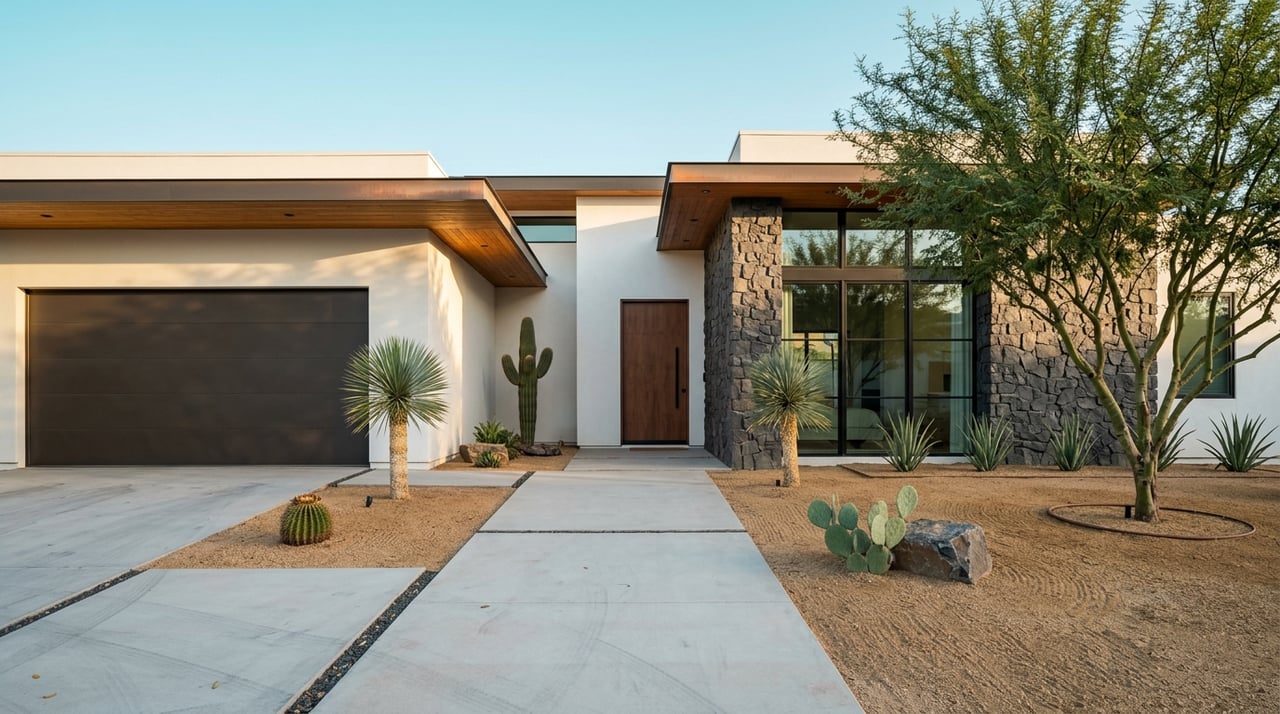
Looking for more room without giving up polish, access, or a sense of place? In Southeast Mesa, some of the area’s most compelling luxury enclaves are defined less by density and more by scale, open space, and a lifestyle that stretches beyond the walls of the home. If you are comparing East Mesa with denser parts of Phoenix or Scottsdale, this guide will help you understand what “space-forward” living really means on the ground and why it continues to resonate with design-minded buyers. Let’s dive in.
Why East Mesa Feels Different
East Mesa’s appeal starts with scale. Mesa spans more than 138 square miles and has over 515,000 residents, but the east-side communities tied to this conversation were planned around infrastructure, open land, and integrated amenities rather than compact urban form.
That distinction matters when you are choosing not just a house, but a daily rhythm. In communities such as Eastmark and Cadence, the neighborhood itself is part of the lifestyle offering, with community facility districts created to fund roads, parks, sewer, water, drainage, lighting, landscaping, and related improvements. In practical terms, that often means a more intentionally built setting with room to spread out.
What Space-Forward Living Means
In Southeast Mesa, “space-forward” is not just about square footage. It often shows up in detached homes, larger setbacks, substantial garages, private or gated streets, and preserved desert open space that shapes how the community feels.
For many buyers, that translates into flexibility. You may find more room for storage, outdoor entertaining, multiple vehicles, hobby space, or a home setup that supports both quiet retreat and active daily use.
Larger lots and wider spacing
City planning documents tied to nearby Mesa development show the kind of scale buyers may encounter in this part of the market. In one example, 65 homes were planned across 28.59 acres, with lots ranging from 10,500 to 15,000 square feet and dimensions including 75 by 140 feet, 95 by 140 feet, and 100 by 150 feet.
Those figures help explain why some East Mesa neighborhoods feel more buffered than tightly packed. Even before you step inside a home, the spacing between residences, the width of roads, and the preserved open areas can create a calmer, more expansive first impression.
Garages, private roads, and utility
Space-forward living also tends to include practical utility. The same Mesa planning example notes private 35-foot roads and at least a two-car garage, typically with a third-car tandem space.
That may sound like a small detail, but it shapes everyday convenience. For buyers relocating from a more compact market, garage capacity, storage potential, and ease of access often become part of the luxury equation.
Communities That Define the Category
Several East Mesa communities illustrate this lifestyle especially well. While each has its own identity, they share a pattern of open space, embedded amenities, and a more curated residential environment.
Mountain Bridge
Mountain Bridge is described by its community association as North Mesa’s signature master-planned neighborhood. It includes gated enclaves, abundant open space, parks, trails, and an Owners’ Club with a pool, spa, fitness center, sports courts, and event lawn.
For buyers, the appeal is the balance between privacy and activity. You get a residential setting with visible breathing room, but you also have amenities designed into the community rather than added as an afterthought.
Las Sendas
Las Sendas is another important reference point on the east side. The community association describes more than 3,400 homes, along with pools, pickleball courts, parks, community events, and an extensive trail system.
Its location at the base of the Tonto National Forest also shapes the experience. Scenic mountain and valley views, along with development standards aimed at preserving desert open space and character, help explain why this area often feels view-oriented and less compressed than closer-in neighborhoods.
Eastmark and Cadence
Eastmark and Cadence reflect a slightly different version of space-forward planning. Eastmark spans 3,200 acres and is designed to integrate residential neighborhoods with employment, education, recreation, and commerce, creating a broader live-work-play framework.
Amenity planning is a major part of that identity. Eastmark’s Great Park is planned to grow to 96 acres and includes a splash pad, open fields, a riparian stream, an event pavilion, and a path and trail system, while Cadence advertises six parks, a dog park, sports courts, a community center, and an event center.
Outdoor Living Is Part of the Draw
In East Mesa, outdoor living is not a side benefit. It is central to the value proposition, especially for buyers who want their home life to extend into trails, mountain views, boating, and open-air recreation.
Usery Mountain Regional Park is a 3,648-acre park on the valley’s east side adjacent to the Tonto National Forest. It is known for popular trails such as Wind Cave and views from 2,840 feet, giving residents close access to a more expansive desert backdrop.
The Tonto National Forest adds even more scale, with nearly 900 miles of trails according to the Forest Service. Saguaro Lake also contributes to the regional lifestyle picture with fishing, boating, swimming, and boat-access camping in a Sonoran Desert setting.
How East Mesa Compares With Denser Areas
If you are moving from a denser part of Phoenix or Scottsdale, the contrast can be immediate. Mesa’s transit-oriented planning framework describes compact, walkable, mixed-use development near transit stations with apartments, townhomes, and stronger pedestrian orientation.
East Mesa’s premium communities sit at nearly the opposite end of that spectrum. Detached homes, larger garages, gated entries, private roads, open-space corridors, and community-centered recreation create a different residential experience, one that often prioritizes privacy, storage, backyard potential, and a stronger connection to the desert landscape.
That does not make one model better than the other. It simply means the fit depends on how you want to live. If your version of luxury includes more physical room, more built-in amenity infrastructure, and easier access to outdoor recreation, East Mesa can feel notably aligned.
Expect a Curated Community Experience
One of the most important points for buyers to understand is that space-forward does not mean informal. In many of these communities, the lifestyle is carefully managed through HOA governance, design review, and controlled access features.
Mountain Bridge includes architectural review, vehicular gates, amenity cards, and resident programming. Cadence includes design review, amenity rental, and resident portals, while Las Sendas includes custom-home modification processes and access-management tools such as gate remotes and amenity cards.
For some buyers, that structure is a benefit. It can support visual consistency, amenity upkeep, and a more organized neighborhood environment. If you value both space and a curated setting, that combination is a defining part of East Mesa’s appeal.
What Buyers Should Pay Attention To
When you tour luxury homes in Southeast Mesa, it helps to look beyond finishes and square footage. The broader neighborhood framework often has just as much impact on daily life.
Consider these questions as you compare options:
- How much separation do you want between homes?
- Do you prefer gated access or a more open neighborhood layout?
- How important are garage size and storage flexibility?
- Do you want trails, parks, and recreation inside the community, nearby in the region, or both?
- Are HOA design standards and review processes a welcome structure for you?
- Does access to Loop 101, Loop 202, US 60, or Phoenix-Mesa Gateway Airport matter for your routine?
Eastmark notes convenient access to the 101, 202, and 60, plus proximity to Phoenix-Mesa Gateway Airport. For professionals, second-home buyers, and relocations, that balance of spacious residential planning and regional connectivity can be a meaningful advantage.
Why This Segment Continues to Resonate
The lasting appeal of East Mesa’s luxury enclaves is straightforward. They offer a version of desert living that emphasizes room, infrastructure, outdoor access, and a neighborhood experience that is intentionally designed rather than incidental.
For buyers who want a home to function as both retreat and basecamp, this part of Mesa presents a clear point of difference within the broader Valley. The value is not only in the home itself, but in the way the surrounding community supports how you live, move, gather, and unwind.
If you are exploring luxury property in the Phoenix metro and want a more tailored read on how Southeast Mesa compares with Scottsdale, Paradise Valley, or other design-led markets, Luxe Client Group can help you evaluate the fit with discretion and clarity.
FAQs
What does space-forward living mean in Southeast Mesa?
- It generally refers to a residential pattern centered on detached homes, larger setbacks, substantial garages, private or gated streets, and preserved open space rather than compact, high-density development.
Which Southeast Mesa communities are known for space-forward living?
- Mountain Bridge, Las Sendas, Eastmark, and Cadence are among the best-known east-side communities associated with open space, planned amenities, and a more expansive neighborhood layout.
How is East Mesa different from denser Phoenix or Scottsdale areas?
- East Mesa luxury enclaves typically offer more separation between homes, larger garages, more embedded community recreation, and a stronger connection to desert open space than compact urban neighborhoods built around transit or mixed-use density.
What outdoor recreation is available near East Mesa luxury communities?
- Buyers in this area may enjoy access to Usery Mountain Regional Park, the Tonto National Forest trail network, and Saguaro Lake for activities such as hiking, boating, fishing, swimming, and desert recreation.
Do East Mesa luxury communities usually have HOA rules or design review?
- Yes. Many of these communities include HOA governance and may have architectural review, amenity access systems, resident programming, or access-management tools such as gate remotes and amenity cards.
Why do buyers choose Southeast Mesa for luxury homes?
- Many buyers are drawn to the combination of larger-scale community planning, outdoor lifestyle access, structured amenities, and regional connectivity to major highways and Phoenix-Mesa Gateway Airport.