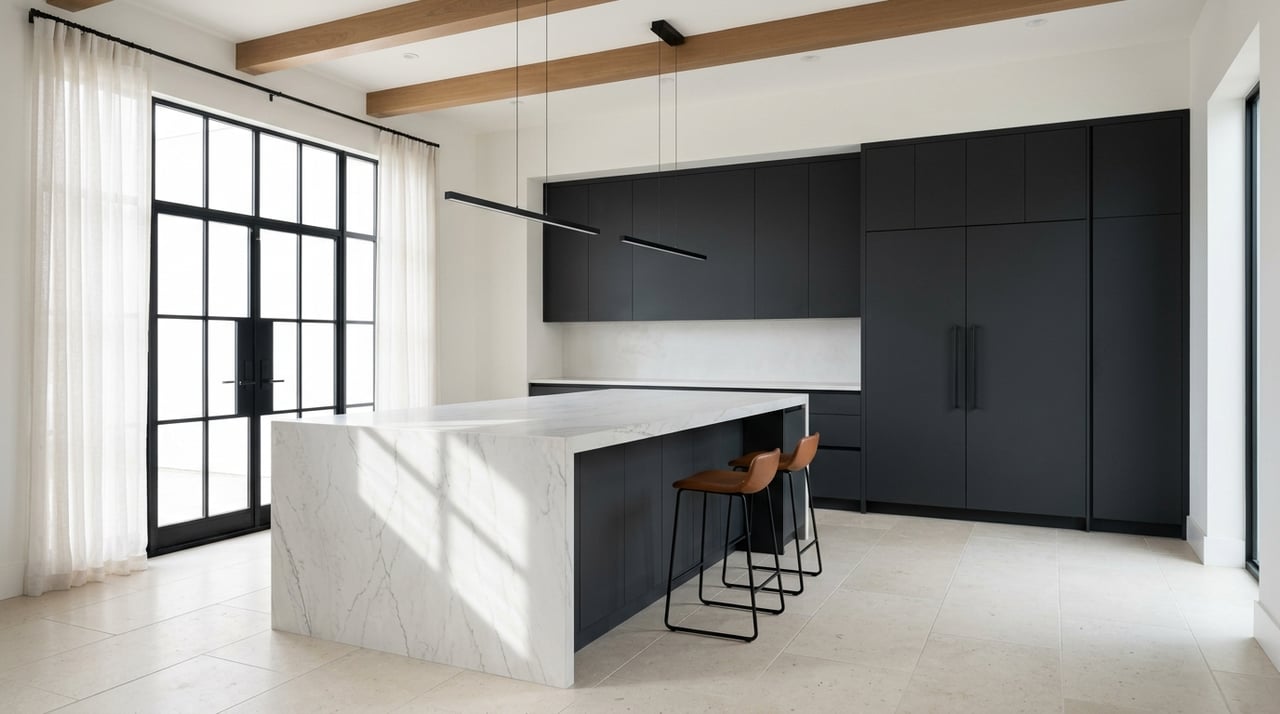
If you are preparing to sell a luxury home in Midtown Phoenix, first impressions are not a small detail. In a market where buyers are comparing design, condition, and overall presentation closely, the way your home enters the market can shape both attention and leverage. Compass Concierge can be a useful tool in that process, especially when it is used with a clear plan, realistic expectations, and thoughtful project management. Let’s dive in.
Why presentation matters in Midtown Phoenix
Midtown Phoenix has a broad mix of architectural styles, from historic properties to design-forward residences that appeal to buyers who notice details. In this setting, presentation often does more than make a home look polished. It helps buyers understand the home’s lifestyle, character, and design intent.
That matters even more in a market where buyers are selective. ARMLS reported that April 2026 had the highest closed listing count in four years, while active inventory was down almost 3% year over year and the median active list price fell 3% year over year. In practical terms, that points to a market where pricing and presentation still need to be aligned with buyer expectations.
For a visually distinctive Midtown home, condition and first impression can help support pricing strategy. That does not mean every improvement will raise value in the same way, but it does mean well-planned preparation can help your home compete more effectively.
What Compass Concierge does
Compass Concierge is a seller-facing program that fronts the cost of approved home-improvement services with zero due until closing, according to Compass. Compass also states that repayment may be required when the home sells, when the listing agreement ends, or after 12 months from the program start date. Loans are provided by Notable Finance and are subject to credit approval and underwriting.
It is important to keep the program in perspective. Compass notes that fees or interest may apply depending on your state of residence, so this should not be treated as a universal no-cost program. Compass also does not guarantee specific results, and no seller should expect the same outcome as another property.
What Concierge can do is make it easier to complete strategic pre-sale work without paying the full cost upfront. For many sellers, that can create flexibility at the exact moment when timing and presentation matter most.
What Concierge can cover
Compass lists a wide range of approved services through Concierge. For Midtown Phoenix luxury sellers, the most relevant categories often include:
- Staging
- Decluttering
- Deep cleaning
- Interior and exterior painting
- Floor repair or replacement
- Carpet cleaning or replacement
- Landscaping
- Moving and storage
- Cosmetic renovations
- Kitchen and bathroom improvements
- HVAC, roofing, plumbing, and electrical work
- Pool-related services
The key is not doing everything. The stronger strategy is choosing the work that best improves buyer perception and supports the home’s architectural story.
Why staging is central to the strategy
Recent staging research helps explain why Concierge can be especially useful when it is tied to presentation. The National Association of Realtors reported in 2025 that 83% of buyers’ agents said staging made it easier for buyers to visualize a property as their future home. It also found that 49% of sellers’ agents said staging reduced time on market.
On pricing, 29% of agents reported that staging led to a 1% to 10% increase in the dollar value offered. That is not a guarantee for your home, but it does support the idea that presentation can influence both buyer confidence and offer quality.
NAR also found that buyers ranked the living room first in importance, followed by the primary bedroom and kitchen. For a luxury listing in Midtown Phoenix, those spaces often carry the emotional and visual weight of the home, especially when architecture and design are part of the value proposition.
The best use of Concierge in Midtown
In Midtown Phoenix, Concierge is often strongest as a presentation-led pre-sale tool rather than a substitute for a full remodel. The most friction-free projects are usually the ones that improve first impression quickly and help the home photograph well, show well, and feel well cared for.
That often includes:
- Professional staging
- Decluttering and storage
- Whole-home deep cleaning
- Interior paint refreshes
- Flooring touch-ups or selective replacement
- Landscaping improvements
- Minor cosmetic repairs
These updates tend to be easier to schedule and easier to align with a marketing launch. They also support the visual assets buyers care about most, including photos, videos, and in-person showings.
NAR’s 2025 findings reinforce that point. Buyers rated photos, physical staging, videos, and virtual tours as highly important, and many buyers expected homes to look as polished as staged properties they see in media. In the luxury segment, that expectation can be even more pronounced.
Heavier projects need more planning
Some Concierge-approved work is more complex and may require additional time and local approvals. In Phoenix, residential construction permits are required when existing homes are remodeled or additions are made. The city notes that minor work may qualify for an over-the-counter permit, while more complex projects go through plan review.
That distinction matters if you are considering kitchen changes, bath work, HVAC updates, roofing repair, electrical work, or plumbing improvements before listing. These projects may still make sense in certain cases, but they usually require more lead time, more coordination, and a more careful cost-benefit discussion.
Phoenix also states that work must begin within six months of permit issuance and continue through the permit period or the permit may expire. For sellers working toward a target listing window, that makes early planning especially important.
Historic homes require added care
If your Midtown property is historic or located in a historic district, exterior improvements may involve another layer of review. The City of Phoenix says its Historic Preservation Office reviews exterior changes to properties listed on the Phoenix Historic Property Register. It also requires a Certificate of Appropriateness or Certificate of No Effect for building-permit applications affecting the exterior of register-listed properties or non-historic properties within historic districts.
That does not mean preparation is off the table. It means the process should be handled with care and with respect for the property’s architectural character and local requirements.
For historic homes, the smartest Concierge strategy is often selective and restrained. Focus on improvements that elevate presentation without creating unnecessary approval delays, and treat exterior changes with a permit-aware mindset from the beginning.
Phoenix also notes that listed historic properties may be eligible for city incentives that assist with rehabilitation. For owners of architecturally significant homes, that can be a useful complementary consideration when weighing what to do now versus what may be better approached through a longer-term stewardship plan.
A privacy-first launch can protect value
Compass positions Concierge within a broader marketing sequence that includes Private Exclusives, Coming Soon, and then a public launch once work is complete. For luxury sellers in Midtown Phoenix, that sequencing can be especially useful.
A private or limited early phase can help preserve discretion while improvements are underway. It can also help you avoid bringing a home to the broader market before it is fully ready, which may reduce the risk of accumulating public days on market or creating a visible pattern of price adjustments.
For privacy-minded sellers, this aligns with a more curated approach to market entry. Instead of rushing to launch, you can prepare the home, refine the visual presentation, and release it when the property is positioned to make the strongest impression.
How a design-led team adds value
Concierge is a tool, not a strategy on its own. The real advantage comes from using it with disciplined project selection, design judgment, and careful timing.
That is particularly true for luxury homes, where not every update adds the same value and where over-improving can be just as risky as under-preparing. A design-led advisory approach can help you identify what buyers are likely to notice first, what supports the home’s pricing narrative, and what may be better left untouched.
In Midtown Phoenix, that often means balancing architecture, stewardship, and market timing. The goal is not simply to spend money before listing. The goal is to create a more compelling, coherent, and market-ready presentation.
A practical way to evaluate Concierge
If you are considering Compass Concierge for your sale, start with a simple framework:
- Identify the rooms buyers will notice first, especially the living areas, primary suite, and kitchen.
- Prioritize updates that improve visual impact quickly, such as staging, paint, cleaning, landscaping, and flooring.
- Separate cosmetic work from permit-sensitive work.
- Confirm whether any historic-preservation review applies to exterior changes.
- Align the project scope with your desired launch timeline and privacy goals.
- Review the program terms carefully, including repayment timing, possible fees or interest, and approval requirements.
This approach keeps the conversation focused on outcomes, timing, and risk management rather than on renovations for their own sake.
If you are preparing to sell a luxury home in Midtown Phoenix, Compass Concierge can be a smart way to support presentation, preserve liquidity, and bring a property to market with more intention. The strongest results usually come from selective improvements, thoughtful sequencing, and a clear understanding of local permitting and historic-preservation rules. For a confidential, design-led plan tailored to your home, connect with Luxe Client Group.
FAQs
What is Compass Concierge for Phoenix home sellers?
- Compass Concierge is a seller-facing program that fronts the cost of approved home-improvement services, with repayment based on program terms such as closing, listing termination, or 12 months from the start date, subject to approval and underwriting.
What home projects can Compass Concierge cover before a Midtown Phoenix sale?
- Compass lists services such as staging, decluttering, deep cleaning, painting, flooring, landscaping, storage, cosmetic renovations, and selected repair or improvement work including HVAC, roofing, plumbing, and electrical.
Does Compass Concierge require upfront payment for a luxury home sale?
- Compass says there is zero due until closing, but fees or interest may apply depending on state of residence and program terms, so you should review the details carefully.
Do Phoenix home updates need permits before listing?
- Phoenix requires permits when existing homes are remodeled or additions are made, while some minor work may qualify for over-the-counter permit review.
Do historic Midtown Phoenix homes need special approval for exterior work?
- Yes, exterior changes to register-listed properties or properties in historic districts may require review by the City of Phoenix Historic Preservation Office and a Certificate of Appropriateness or Certificate of No Effect.
Is staging worth it for a luxury home in Phoenix?
- NAR’s 2025 research found that staging helped buyers visualize the home, was linked by many agents to faster sales, and was associated by some agents with higher dollar offers, though results vary by property.
Why use a private launch strategy before listing a Midtown Phoenix home?
- A private or limited early phase can help preserve discretion while work is completed and may help avoid launching publicly before the home is fully market-ready.