Neighborhood Character & Architectural DNA
Desert Mountain is shaped by topography, preservation, and master-planned restraint. The community spans thousands of acres of preserved desert and elevated terrain, with development organized into separate villages, each guided by architectural standards and siting principles.
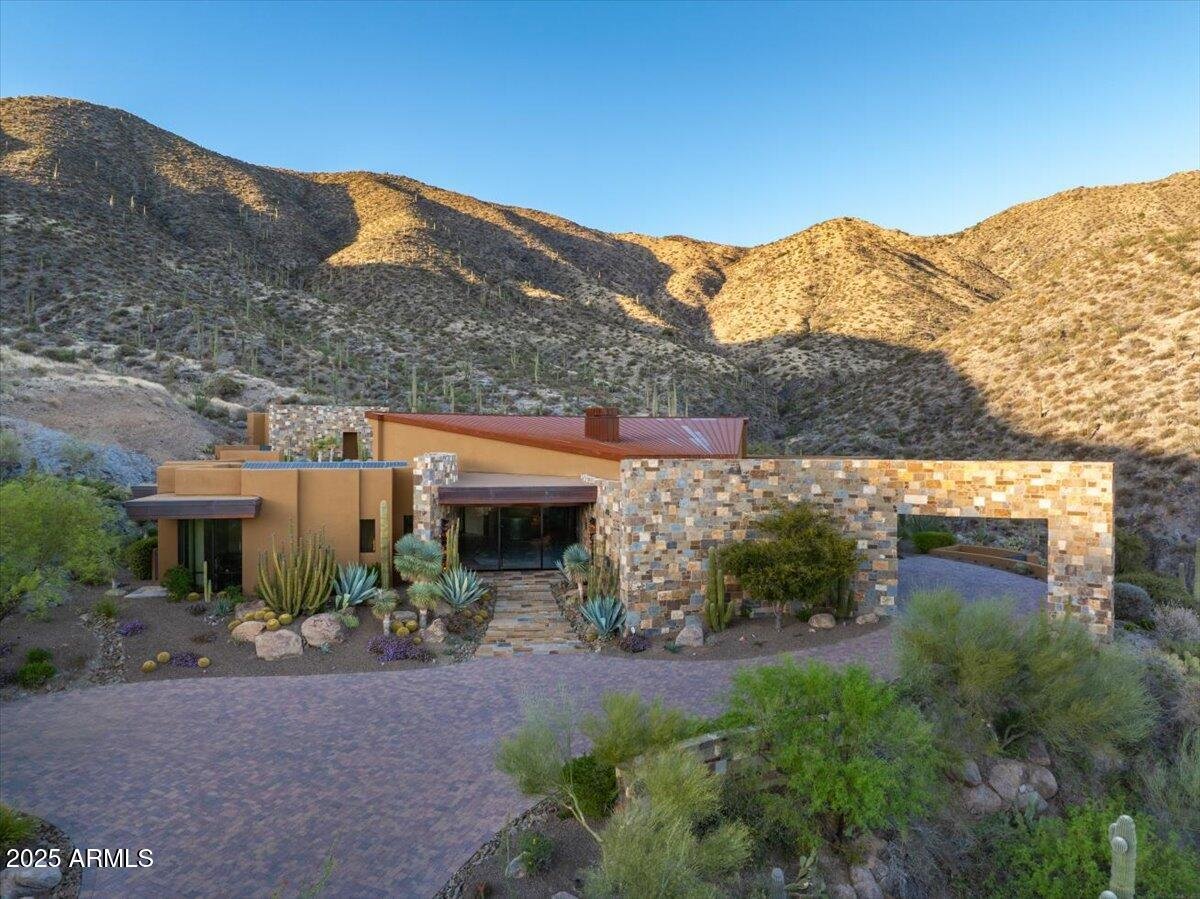
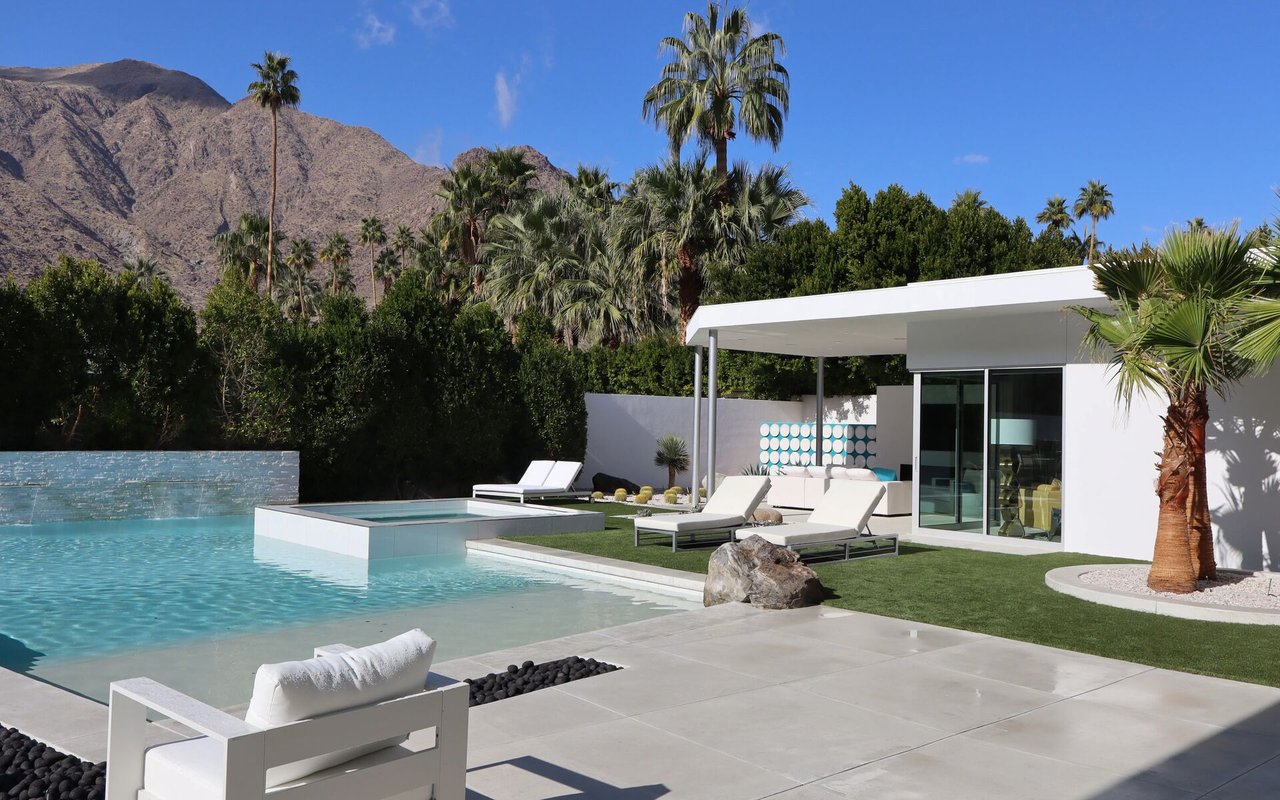
Homes are predominantly custom or semi-custom, ranging from Southwestern and regional desert forms to contemporary designs that emphasize low profiles, material continuity, and integration with the landscape. Building envelopes, height restrictions, and view-corridor protections influence massing and placement, reinforcing cohesion while allowing architectural variation across villages.
Lifestyle & Daily Experience
Life in Desert Mountain is defined by separation, scale, and immersion in the desert environment. Residents experience a quiet, low-density setting with expansive open space, internal road networks, and controlled access points.
Daily routines often center around outdoor movement, home-based living, and community amenities rather than external commercial activity. The environment supports a slower, intentional pace, with seasonal rhythms shaped by climate, elevation, and landscape rather than proximity to urban centers.
Restaurants, Retail & Everyday Conveniences
Desert Mountain is primarily residential, with internal dining and community facilities supporting daily needs. Broader shopping, dining, and medical services are accessed via North Scottsdale corridors, requiring deliberate travel but reinforcing the community’s sense of retreat.
Residents value the ability to disengage from commercial density while maintaining reasonable access to curated amenities beyond the gates.
Real Estate Overview
Real estate in Desert Mountain is defined by village differentiation, site orientation, and long-term land value. Properties vary significantly by elevation, slope, exposure, and distance to community amenities, making micro-location a critical factor in evaluation.
Homes are assessed as much for their relationship to the land — views, privacy, and integration — as for interior features. Ownership here often reflects long-term intent rather than short-term turnover, with buyers prioritizing stability and environmental continuity.
What Buyers Should Know
-
Desert Mountain is composed of multiple villages, each with distinct character, density, and architectural guidelines.
-
Elevation and exposure materially affect climate, views, and daily experience.
-
HOA governance, design review processes, and community standards are central to ownership.
-
Internal distances and access patterns influence daily routines and should be evaluated early.
What Sellers Should Know
-
Buyers expect clarity around village context, site placement, and architectural intent.
-
Presentation should emphasize how the home engages its setting rather than relying on finishes alone.
-
Proper positioning requires understanding micro-location within the broader community.
-
Over-improvement is less effective than refinement aligned with landscape and standards.
Notable Villages & Site Variation
Desert Mountain’s villages vary in elevation, density, architectural expression, and proximity to preserved land. These distinctions meaningfully affect buyer alignment and valuation, making village-level context essential when positioning a property for sale.
Considering Desert Mountain as part of a long-term real estate strategy? We provide clear guidance on village differentiation, site evaluation, and how desert environments translate into livability and lasting value.