Neighborhood Character & Architectural DNA
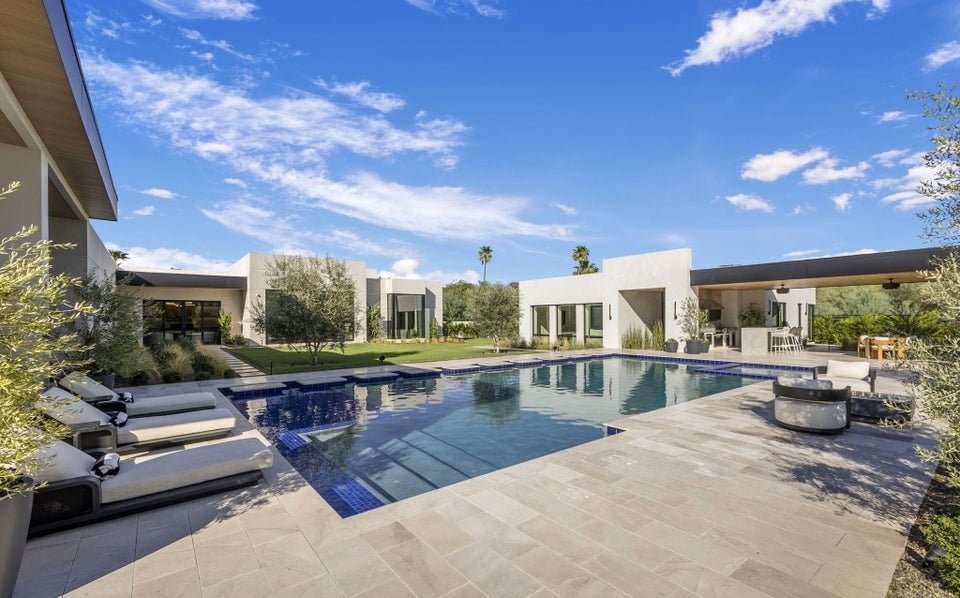
The Mockingbird Lane Corridor is shaped by parcel scale, low density, and limited commercial intrusion rather than formal master planning. Properties are typically situated on expansive lots with deep setbacks, resulting in a streetscape where homes are visually separated and landscape dominates the experience.
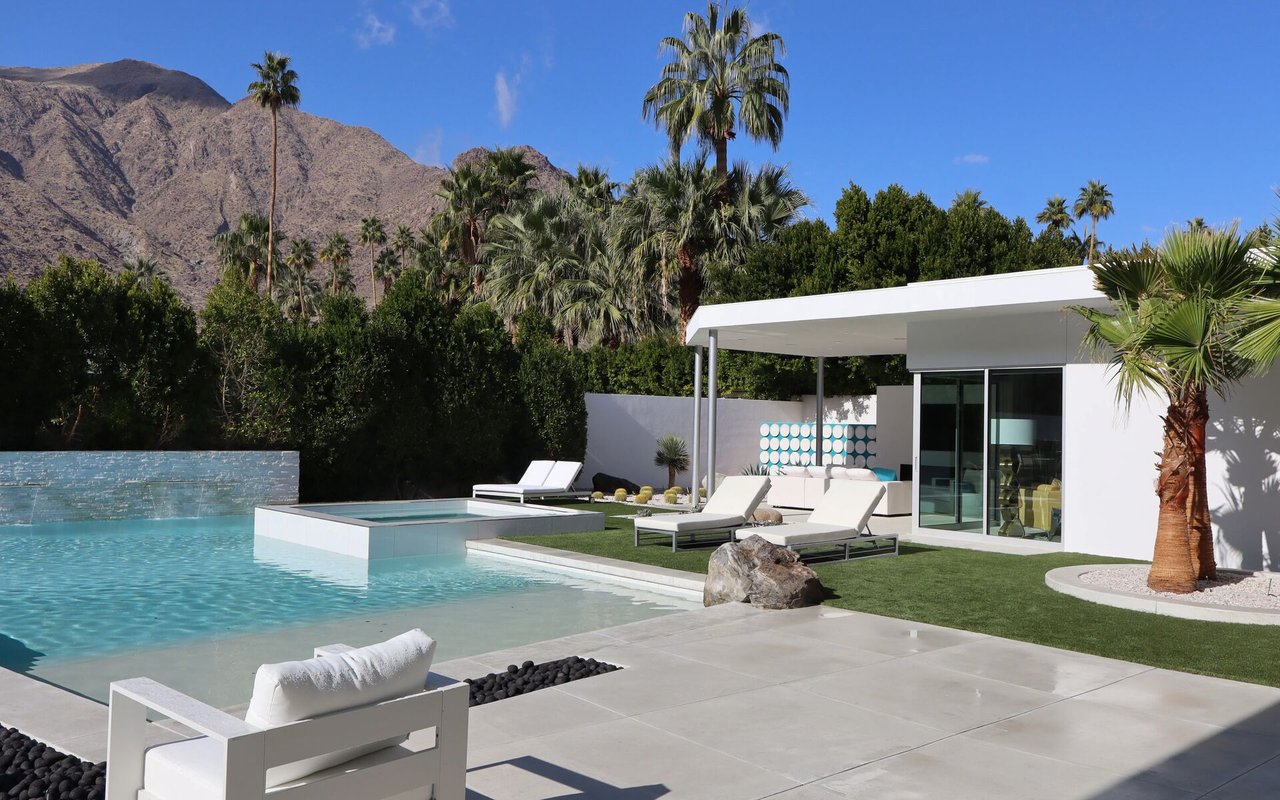
Architecture is predominantly custom and varies widely in style, reflecting individual design intent across multiple decades. Residences range from classic ranch-style homes and courtyard-based compounds to more contemporary interpretations emphasizing horizontal massing and indoor–outdoor integration. Architectural cohesion is achieved through land spacing and orientation rather than uniform guidelines or stylistic repetition.
Lifestyle & Daily Experience
Life along the Mockingbird Lane Corridor is quiet, private, and deliberately residential. With limited through traffic and no internal commercial activity, daily routines are centered around the home and its grounds rather than neighborhood amenities.
Residents value the corridor’s balance between separation and access. While the setting feels removed and discreet, proximity to Scottsdale, Biltmore, and Arcadia corridors allows for efficient engagement with dining, retail, and services when desired.
Restaurants, Retail & Everyday Conveniences
The Mockingbird Lane Corridor benefits from close proximity to Paradise Valley, Scottsdale, and central Phoenix dining and retail corridors. Grocery stores, medical services, and destination restaurants are easily accessible by car, supporting everyday living without compromising residential privacy.
Real Estate Overview
Real estate along the Mockingbird Lane Corridor is defined by land value, parcel configuration, and long-term adaptability. Homes are often evaluated based on lot size, orientation, and potential for future reconfiguration rather than architectural uniformity or neighborhood amenities.
Ownership here frequently reflects long-term intent. Limited turnover and large parcel sizes contribute to stability and reinforce the corridor’s identity as a residential environment rather than a development-driven area.
What Buyers Should Know
-
Parcel size and setbacks are primary drivers of privacy and usability.
-
Architectural flexibility is greater than in gated or design-controlled communities.
-
Proximity to major cross streets can influence noise and access.
-
The corridor suits buyers prioritizing space, discretion, and long-term ownership.
What Sellers Should Know
-
Buyers respond to clarity around land scale, privacy, and site orientation.
-
Presentation should emphasize grounds, setbacks, and separation from neighboring properties.
-
Overstatement is less effective than clear articulation of parcel advantages.
-
Positioning should distinguish the corridor from hillside enclaves and denser neighborhoods.
Notable Site Variation
Within the Mockingbird Lane Corridor, variation exists based on parcel depth, frontage, and proximity to Camelback or Mummy Mountain. Some properties emphasize expansive flat land, while others benefit from framed mountain views or greater separation from cross streets. These distinctions influence buyer alignment and valuation.
Considering the Mockingbird Lane Corridor as part of a long-term real estate strategy? We provide clear guidance on site evaluation, parcel potential, and how low-density Paradise Valley corridors translate into lasting value.