Neighborhood Character & Architectural DNA
Paradise Valley is shaped by land use policy, topography, and preservation-oriented zoning. Large parcels, strict density limits, and mountain protection ordinances influence how homes are sited, scaled, and experienced. Development patterns emphasize separation between properties, resulting in a built environment where landscape and land form are as important as architecture.
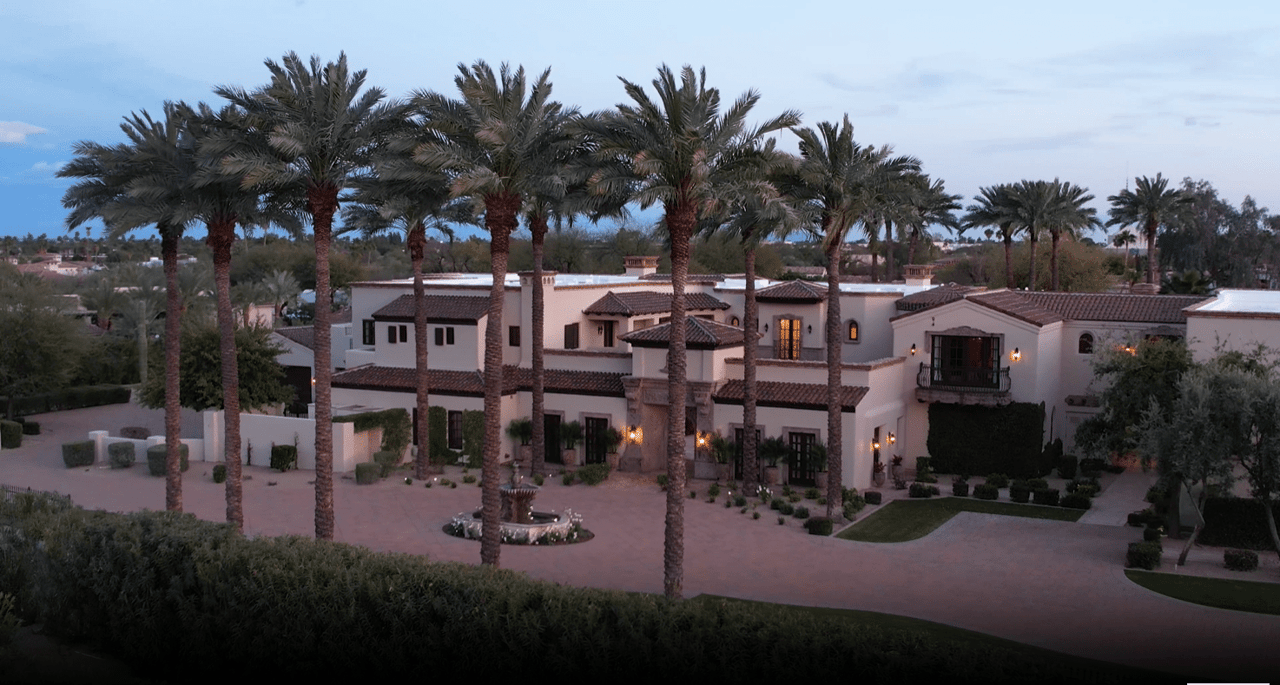
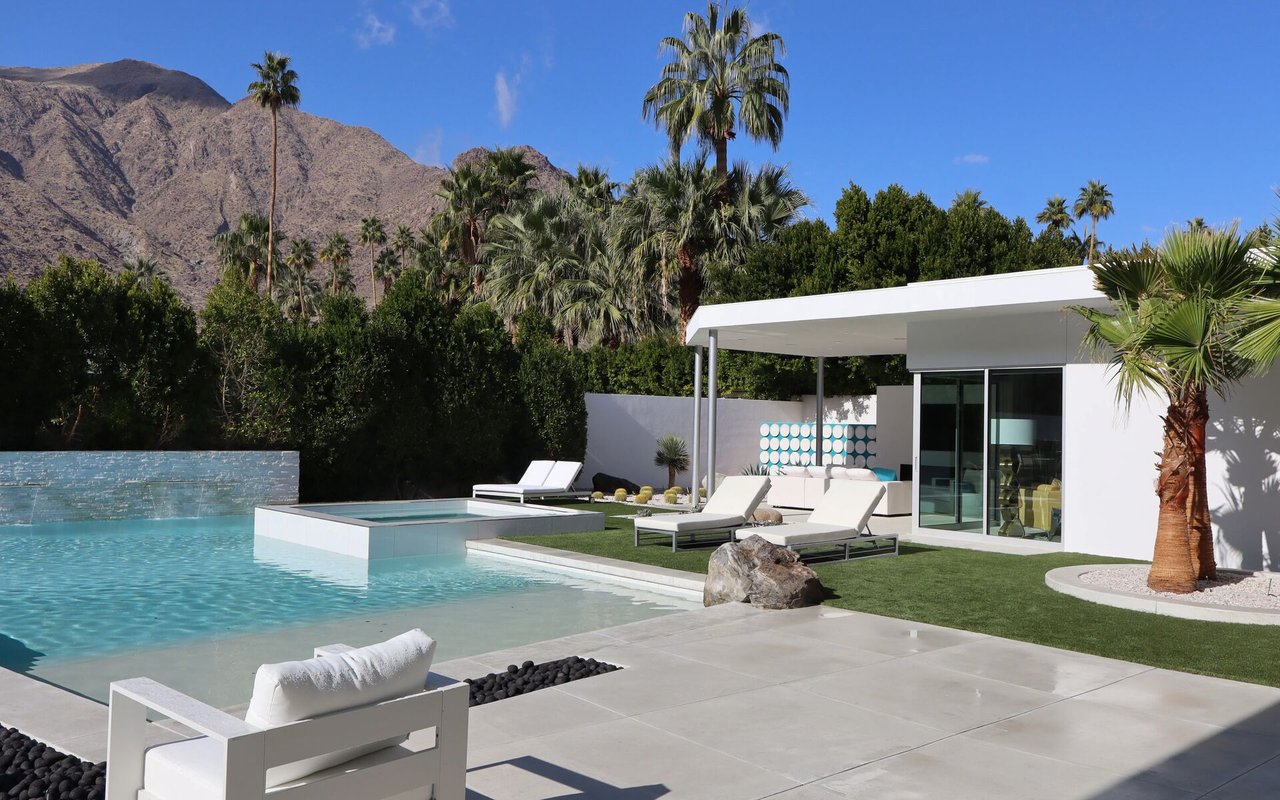
Homes are predominantly custom and varied in style, ranging from classic Ranch and regional desert forms to contemporary designs that prioritize horizontal massing, material restraint, and indoor–outdoor integration. Architectural expression is guided less by uniform design standards and more by site-specific considerations — elevation, views, setbacks, and access — reinforcing individuality within a cohesive landscape framework.
Lifestyle & Daily Experience
Life in Paradise Valley is quiet, private, and intentionally residential. The absence of dense commercial development and the prevalence of large parcels create a sense of retreat despite close proximity to urban centers.
Daily routines are largely home-centered, with outdoor living, privacy, and controlled access shaping the experience. Engagement with surrounding amenities in Phoenix and Scottsdale is deliberate rather than incidental, allowing residents to maintain separation without sacrificing convenience.
Restaurants, Retail & Everyday Conveniences
Paradise Valley itself remains primarily residential, with limited commercial activity by design. Residents rely on nearby Scottsdale, Biltmore, and Arcadia corridors for dining, retail, healthcare, and services, reinforcing the town’s identity as a residential enclave rather than a commercial destination.
Real Estate Overview
Real estate in Paradise Valley is defined by land value, parcel size, and site orientation. Homes are evaluated as complete site compositions, with emphasis on buildability, privacy, view corridors, and long-term adaptability rather than uniform housing stock.
Buyers often approach Paradise Valley with a long-term ownership mindset, prioritizing permanence, control over surroundings, and alignment with land-use policies that protect residential character over time.
What Buyers Should Know
-
Parcel size and zoning significantly influence use, expansion, and redevelopment potential.
-
Mountain protection ordinances affect siting and architectural possibilities.
-
Access, driveway design, and orientation vary widely by property.
-
Paradise Valley favors buyers comfortable with lower density and site-specific decision-making.
What Sellers Should Know
-
Buyers respond to clarity around land attributes, privacy, and site logic.
-
Presentation should emphasize how the home engages its setting rather than scale alone.
-
Overstatement is less effective than clear articulation of parcel advantages and positioning.
-
Proper pricing requires understanding micro-location within Paradise Valley’s varied terrain.
Notable Areas & Sub-Neighborhood Variation
Paradise Valley includes a range of distinct residential areas influenced by elevation, proximity to mountains, and parcel configuration. Areas near Camelback Mountain, Mummy Mountain, and flatter central sections function as separate micro-markets, each with different buyer priorities and value drivers.
Paradise Valley includes a range of Camelback-adjacent environments, from base-of-mountain parcels to foothill and hillside sites. For a clearer breakdown of how these settings differ, see our overview of Camelback Mountain living.
Considering Paradise Valley as part of a long-term real estate strategy? We provide clear guidance on site evaluation, land use considerations, and property positioning within this highly nuanced residential environment.