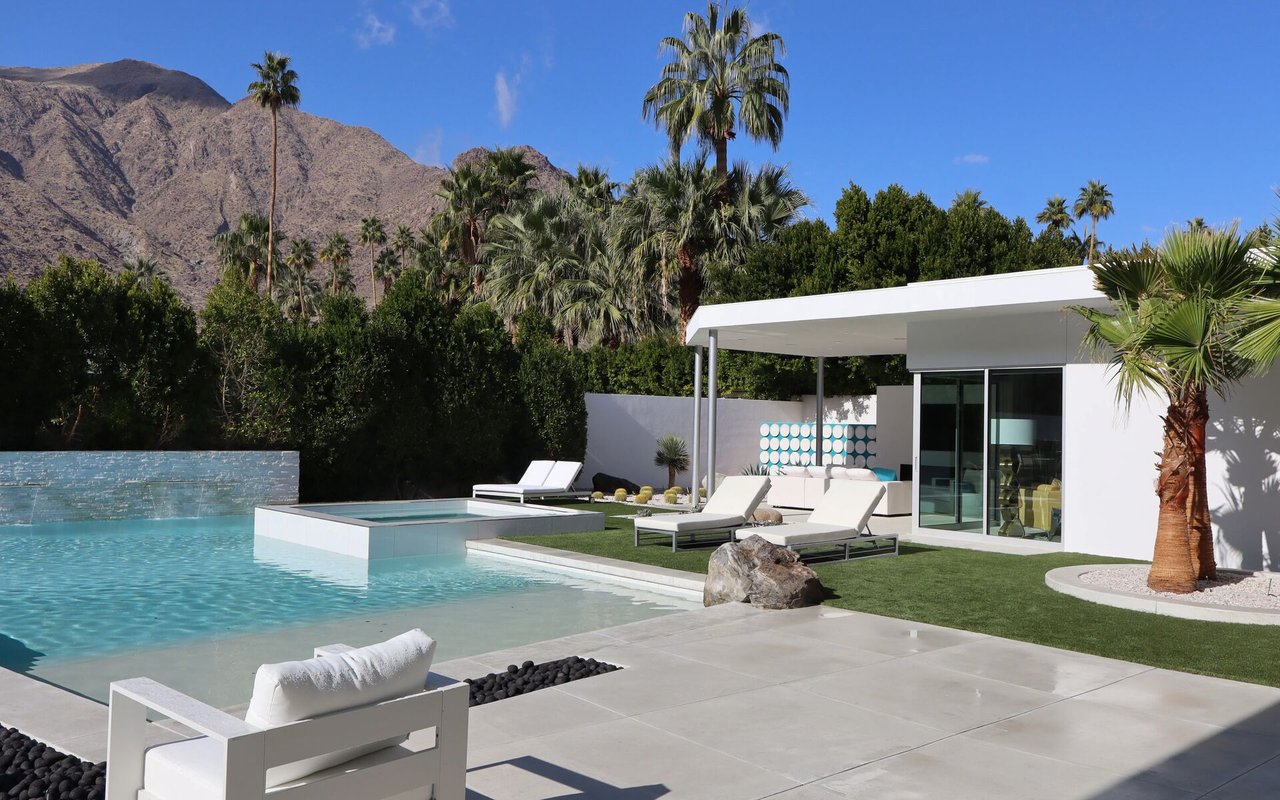
Buyers often compare areas such as Paradise Valley and Scottsdale without fully understanding how land use, density, and site conditions differ across neighborhoods like Arcadia, DC Ranch, or mountainside enclaves near Camelback Mountain.
Land Use & Density
Paradise Valley
Paradise Valley is defined by low density and large parcels. Zoning and land-use policy emphasize separation between properties, minimal subdivision, and preservation of residential character. Commercial development is intentionally limited.
The result is an environment where:
-
Homes sit on expansive parcels
-
Visual and physical separation is the norm
-
Land value and site orientation drive decision-making
This pattern is especially evident in areas such as Cheney Estates and the Mockingbird Lane Corridor, where large parcels and limited subdivision define the residential experience.
Scottsdale
In contrast, Scottsdale includes a range of development models, from centrally located neighborhoods like McCormick Ranch to structured desert-edge communities such as DC Ranch. Density and land use vary significantly by area, allowing for a broader range of residential experiences within one city.
This flexibility supports:
-
Condominiums, townhomes, and single-family neighborhoods
-
Master-planned communities and urban cores
-
Greater variation in access, activity, and governance
Geography & Site Conditions
Paradise Valley
Geography plays a dominant role. Mountain adjacency, elevation, and parcel orientation materially affect:
Areas near Camelback and Mummy Mountain — including La Place du Sommet and Tatum Canyon — function as distinct micro-markets where elevation and orientation materially affect daily living.
Scottsdale
Scottsdale’s geography ranges from urban districts to desert-edge settings such as Grayhawk and Desert Mountain, where planning structure often outweighs slope-driven constraints.
Buyers can select environments based on lifestyle preference rather than terrain tolerance alone.
Architecture & Development Pattern
Paradise Valley
Architecture is predominantly custom and site-responsive. There is little uniformity, and design decisions are driven by parcel size, orientation, and preservation considerations rather than neighborhood guidelines.
Homes are evaluated as individual compositions rather than components of a broader development system.
Scottsdale
Architecture varies widely and is often shaped by:
In many areas, consistency and predictability are features rather than limitations, especially within master-planned communities.
Lifestyle & Daily Experience
Paradise Valley
Daily life is quiet, private, and home-centered. With minimal commercial activity, residents rely on surrounding cities for dining, retail, and services. Engagement is deliberate rather than incidental. This dynamic is common in Paradise Valley neighborhoods near Camelback Mountain, including hillside areas such as Clearwater Hills, where daily routines are home-centered and private.
This setting appeals to buyers prioritizing:
Scottsdale
In Scottsdale, areas like Old Town Scottsdale and Scottsdale Proper support a more access-driven, activity-oriented daily rhythm.
Scottsdale supports:
Governance & Ownership Considerations
Paradise Valley
Governance is largely municipal and parcel-based. There are fewer HOAs overall, and ownership responsibility rests more heavily with the homeowner.
This appeals to buyers seeking:
Scottsdale
HOA governance is common, particularly in planned communities and condominium developments. Rules, maintenance scope, and community services are central to ownership experience. This structure is especially relevant in master-planned communities such as McCormick Ranch and DC Ranch, where HOA governance shapes ownership experience.
This structure benefits buyers who value:
Comparative Overview
| Consideration |
Paradise Valley |
Scottsdale |
| Parcel Size |
Large |
Varies widely |
| Density |
Low |
Low to high |
| Development Style |
Custom, site-driven |
Planned, varied |
| HOA Presence |
Limited |
Common |
| Lifestyle Focus |
Privacy & separation |
Access & choice |
| Geography Impact |
High |
Variable |
| Commercial Activity |
Minimal |
Integrated |
What Buyers Should Know
-
Paradise Valley favors land-driven decision-making and long-term intent.
-
Scottsdale offers greater lifestyle optionality within one municipality.
-
Geography and governance influence daily experience more than reputation.
-
The right choice depends on how you intend to live, not how the market is labeled.
What Sellers Should Know
-
Buyers self-select strongly between these markets based on lifestyle priorities.
-
Positioning must reflect site realities and governance, not just location.
-
Overgeneralizing either market can misalign buyer expectations.
-
Clear articulation of why a property fits its setting improves alignment and outcomes.
Choosing between Scottsdale and Paradise Valley requires clarity around land use, daily experience, and long-term intent. We help buyers and sellers evaluate these differences with discipline, ensuring alignment between property, setting, and strategy.
Related Neighborhoods & Comparisons
-
Paradise Valley (Citywide Overview)
-
Scottsdale (Citywide Overview)
-
Camelback Mountain Living | Base vs. Hillside vs. Foothills
-
La Place du Sommet
-
Cheney Estates
-
Tatum Canyon
-
Mockingbird Lane Corridor
-
Arcadia
-
DC Ranch
-
McCormick Ranch